
What Is the Cost of Insulation?
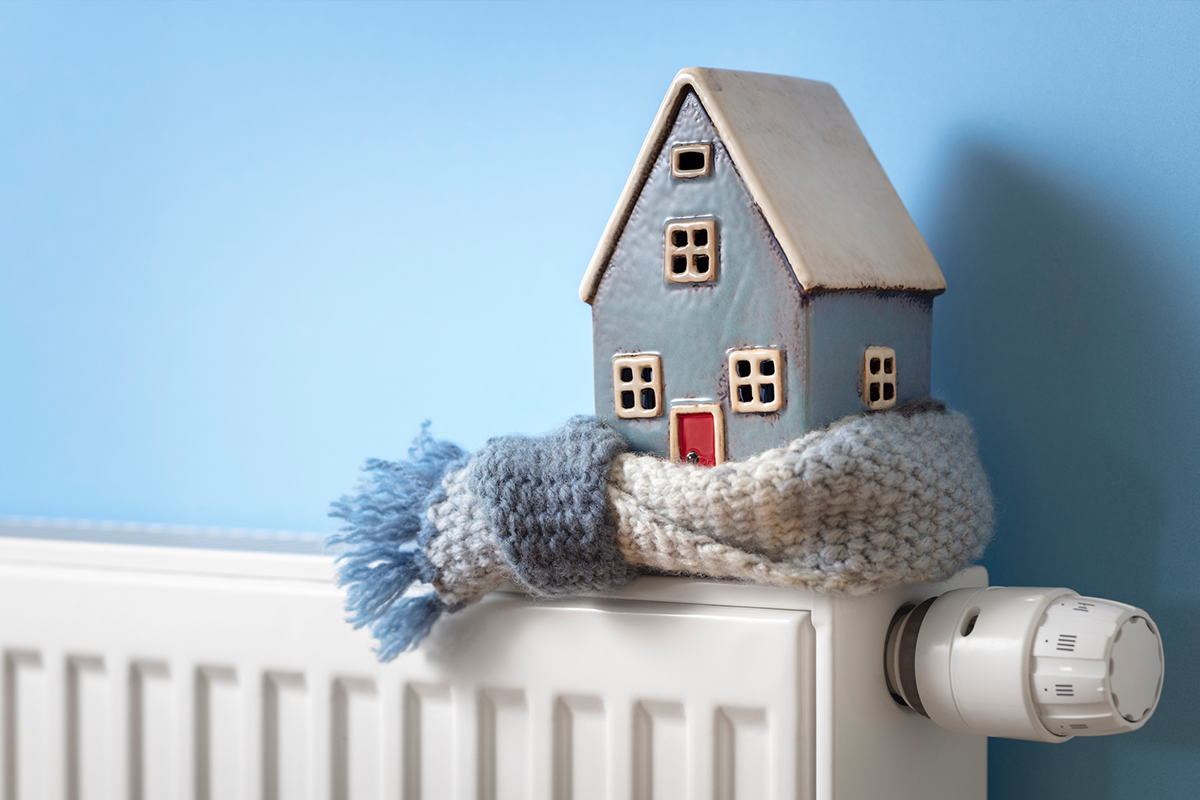
Insulation is one of the most effective ways to make your home more comfortable throughout the year, helping to keep it cooler in summer and warmer in winter. However, if you're planning to insulate your home, one of the first questions you'll probably ask is: how much does insulation cost in Australia?
The answer depends on several factors, including the type of insulation you choose, the area you want to insulate, the product's R-value and whether you're installing it yourself or hiring a professional.
In this guide, we'll explore the cost of insulation in Australia, including typical prices for different insulation materials and how much you might expect to spend on your home.
How Much Does Insulation Cost in Australia?
Insulation prices are generally calculated per square metre ($/m²), making it easier to compare products and estimate the cost of covering a particular area.
As a general guide, insulation materials can range from a few dollars per square metre for some reflective products to more than $25 per square metre for certain premium insulation products.
Here are some indicative material price ranges to help you budget:
| Type of insulation | Approximate material cost per m² |
| Glasswool ceiling batts | $5–$17+ |
| Glasswool wall batts | $6–$10 |
| Polyester insulation | $8–$25+ |
| Roofing insulation blankets | $8–$13+ |
| Reflective insulation and wall wraps | $1.50–$19+ |
| Rigid foam insulation boards | $9–$27+ |
These are indicative price ranges, not fixed prices. Costs vary depending on the product, thickness, R-value, brand and intended application. Specialist products can cost more, while promotional offers may reduce the price.
For example, Pricewise Insulation's range of ceiling insulation includes glasswool batts from around $5.29/m², with higher-performance and alternative-material products available at higher prices.
What Affects the Cost of Insulation?
Understanding what determines the insulation cost can help you choose the right product without paying for features you don't need.
1. The Type of Insulation
Different insulation materials have different manufacturing costs, properties and applications.
Glasswool insulation is a popular and cost-effective option for ceilings, walls and some floors. It's available in batts and rolls, with prices varying according to thickness and thermal performance.
Polyester insulation is often chosen because it's non-itch and comfortable to handle. It can cost more than comparable entry-level glasswool products, particularly for thicker or higher-performing options.
Reflective insulation uses reflective surfaces to help reduce radiant heat transfer. Some wall wraps and foil products are inexpensive, while specialised multilayer products and reflective insulation systems can cost considerably more.
Rigid foam insulation includes products made from materials such as expanded or extruded polystyrene and specialised rigid foam boards. These products can be useful where space, moisture resistance or thermal performance is important, but their prices vary considerably.
The best option depends on where the insulation will be installed and the performance you need.
2. The R-Value
The R-value measures an insulation product's resistance to heat transfer. Generally, the higher the R-value, the better the insulation's thermal resistance.
Higher-R-value products are often thicker and more expensive than lower-rated alternatives of the same material.
For example, an entry-level ceiling batt may cost less per square metre than a thicker, higher-performance batt designed for colder climates.
However, choosing the cheapest product isn't always the most economical decision. It's important to select an appropriate R-value for your home's location, the building element being insulated and the applicable building requirements.
3. The Brand
Brand can influence the cost of insulation, although it isn't the only factor worth considering.
Popular Australian insulation brands include Knauf Earthwool, Bradford, Fletcher Insulation and Kingspan. Each offers different products designed for particular applications and performance requirements.
For example, a standard glasswool batt and a premium polyester batt may have substantially different prices, even if they're intended for a similar area of the home.
When comparing brands, look beyond the price tag. Consider the R-value, material, dimensions, suitability for the installation and any relevant product certifications.
A more expensive product may be worthwhile if it offers the performance or practical benefits you need. However, paying more for a brand name alone doesn't automatically mean you'll get better thermal performance.
4. Where You’re Installing the Insulation
The location of the insulation also affects the total cost.
- Ceiling insulation: Often a cost-effective starting point for improving a home's thermal performance. Prices depend on the required R-value and whether you're installing batts, rolls or a roofing blanket.
- Wall insulation: Can be relatively inexpensive when fitted during construction, but retrofitting insulation into existing walls may require additional labour and access work.
- Underfloor insulation: Costs vary depending on the insulation material, floor construction, accessibility and the amount of space available beneath the house.
- Roof and shed insulation: Options include roofing blankets and reflective products. The right choice depends on the roof design, intended use and required thermal performance.
You can explore the different options through Pricewise Insulation's product range.
How Much Does It Cost to Insulate a House?
The total cost of insulating a home depends on its size, the areas being insulated, the products selected and the installation method.
For materials alone, you can estimate your budget by multiplying the area you need to cover by the price per square metre.
For example, if you have 100m² of ceiling to insulate and choose a product costing $10/m², the insulation materials would cost approximately $1,000.
Remember to allow for additional materials, wastage, delivery and any applicable installation costs.
If you're hiring a professional, labour will increase the overall price. Existing insulation may also need to be removed, and difficult roof access or other complications can add to the cost.
As a broad benchmark, the NSW Government lists insulation project costs of approximately $1,500–$5,500 or more, depending on the type of insulation and the area being upgraded. This is a general project-cost guide rather than a quote for a particular house.
Is DIY Insulation Cheaper?
Installing insulation yourself can reduce labour costs, particularly if you're working in an accessible roof cavity or installing insulation during a renovation.
However, DIY installation requires care. Insulation must be fitted correctly to achieve its intended performance, and working around electrical wiring, roof spaces and other building components can present safety risks.
Before covering existing wiring with insulation, arrange an appropriate electrical safety assessment. Follow the manufacturer's installation instructions and use suitable protective equipment.
For complex installations, inaccessible areas or retrofits involving existing walls, professional installation may be the more practical option.
How Can You Save Money on Insulation?
If you're trying to keep your insulation cost down, consider these tips:
- Compare prices per square metre: Check the coverage of each pack rather than comparing pack prices alone.
- Choose the right R-value: Select insulation suited to your climate and application instead of automatically buying the cheapest or most expensive option.
- Compare different brands: Look at equivalent products with similar materials, dimensions and R-values.
- Prioritise key areas: If your budget is limited, consider where insulation is likely to make the biggest difference to comfort and energy efficiency.
-
Check delivery costs: Freight charges can affect the overall cost, especially for bulky insulation products.
Look for promotions: Discounts and bulk pricing may reduce the cost of larger orders.
Find the Right Insulation for Your Budget
The cost of insulation in Australia can vary considerably, but understanding the differences between materials, R-values and brands makes it easier to plan your project.
Whether you're insulating a ceiling, walls, floors or a roof, compare products based on their suitability and performance as well as their price.
At Pricewise Insulation, you can explore a range of insulation products for different applications and budgets, helping you find a solution that suits your home and your needs.
Ready to compare your options? Browse the Pricewise Insulation range to find insulation products and check current prices.
Prices are indicative only and may change. Always check current product pricing and confirm the insulation requirements for your project before purchasing.
Find the right insulation for your job, or get a trade quote.
Leave a comment