
Comparing Different Types of Insulation for your Home
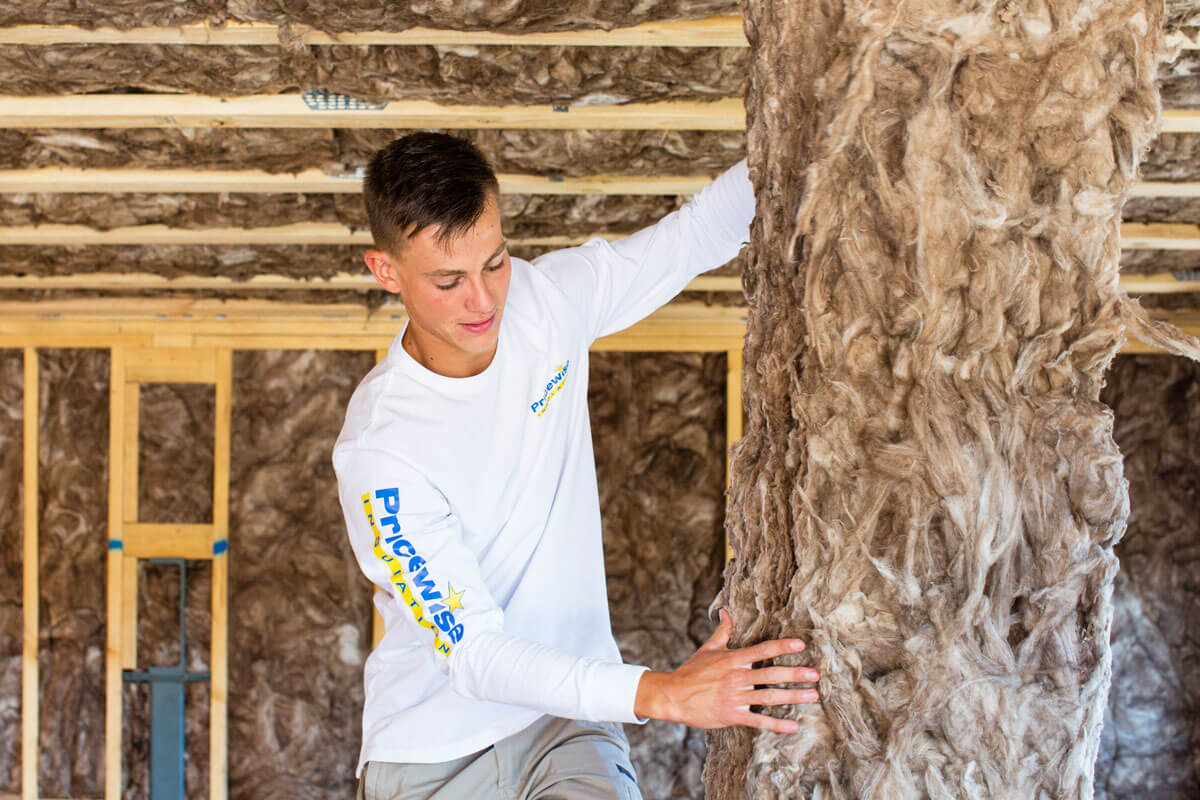
Deciding what type of home insulation you will use can be difficult, especially when there are so many options to choose from. Several factors may influence your choice, such as the area being insulated, whether the home is existing or newly built, and your budget.
What are the different types of insulation for homes?
1. Insulation rolls and batts
Insulation rolls and batts are very popular and can be installed in floors, ceilings and walls. Rolls are a continuous length whereas batts are pre-cut into shorter lengths. Both are designed for a snug fit between rafters or joists. These types of insulation resist heat flow by trapping billions of tiny pockets of air. When installing insulation rolls or batts, you need to make sure there are no gaps and that the insulation material is not compressed because these issues reduce the efficiency of the insulation.
2. Foam board and insulation panels
Rigid board insulation can be used in almost any part of a home and offers many advantages. It offers high insulating and compressive strength relative to its thickness. Two of the most effective types of insulation boards are expanded polystyrene (EPS) and extruded polystyrene (XPS), which both have a ‘closed-cell’ structure. Their closed-cell structure prevents the movement of air or water through the insulation to slow down heat flow.
3. Reflective foil insulation
Foil insulation has a thin foil layer on one side that reflects radiant heat from the sun away from your home. It is ideal for installing in your roof, and it relies on a pocket of air facing the reflective side in order to work effectively. Reflective foil insulation is great for hot weather, can help reduce moisture build-up and may also reduce the noise from rain and wind.
What is the best insulation material?
Typically, insulation rolls and batts are made from glasswool, rockwool or polyester. Glasswool (also known as fibreglass insulation) is very effective and easy to handle. It has higher compression properties than polyester which makes it easier to transport.
Polyester products don’t have any of the itch factor that is associated with traditional glasswool products. However, in recent years, glasswool products such as Knauf Earthwool have been developed using technologies designed to reduce skin irritation. Polyester insulation products have the added advantage of no breathable fibres, making these a popular choice for those who have asthma or other dust intolerances.
Rockwool has great thermal and acoustic properties, but the standout feature is its exceptional fire rating. It is non-combustible, won’t produce any significant toxic smoke and helps to stop the spread of flames during a fire.
What is the most effective home insulation?
If you want the most effective home insulation, you should choose a product with the highest R-value you can afford. R-value indicates how effective an insulation product is at resisting heat flow.
All the products we supply at Pricewise Insulation are effective if installed correctly. Choosing the right home insulation for you depends on your budget, where you live, the type of building and any preferences you have. Browse the range of home insulation we supply, or get in touch to make an enquiry.
Polyester Underfloor Insulation Rolls
- No special clothing, gloves or mask needed to install, according to the safety data sheet
- Underfloor options from R2 to R4
Polyester Ceiling Insulation Batts
- Choose from R2.5 to R4
- No special clothing, gloves or mask needed to install, according to the safety data sheet
Foilboard Green Rigid Insulation Panels
- Wall options from R0.26 to R1.3 to match your comfort target
- Combined thermal break, vapour barrier and reflective insulation in one
Find the right insulation for your job, or get a trade quote.
Leave a comment