
Do I need insulation between floors?
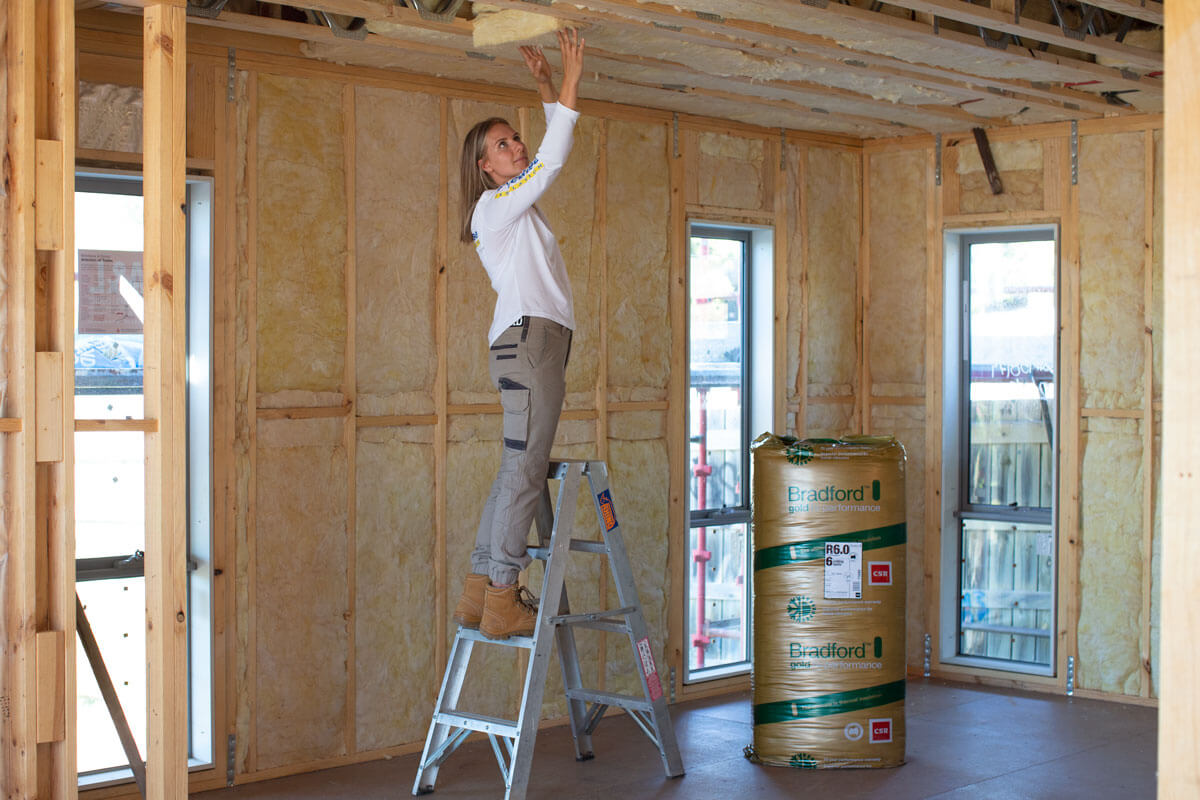
An area often overlooked in a multi-storey dwelling is insulating between floors. There are many benefits to installing mid-floor insulation including creating thermal zones within your home and containing noise to a designated area. High density acoustic insulation is a great product well suited to this area of your home. In addition to the sound-proofing capabilities of acoustic insulation, it also provides a high level of thermal resistance to reduce heat loss between the floors of your home.
Acoustic and thermal benefits of mid-floor insulation
Acoustic insulation has a higher density than regular insulation batts and works by absorbing sound energy. There are two types of noise transfer in your home: airborne noise (which occurs when soundwaves travel through the air), and impact noise (which is when sound vibrations travel through solid structures such as floorboards or beams). Installing sound insulation is a great way to contain noise to a designated area and reduce noise travel within your home.
Additionally, mid-floor insulation has high thermal performance which creates climate zones within your home, allowing you to heat or cool one level of your home instead of the entire home. Thermal insulation saves energy and reduces energy bills, as heating or cooling is contained in one area of your home and is not lost through the floors.
When is the best time to insulate my mid-floor area?
The best time to insulate your mid-floor area is during the construction phase, or a major renovation project. Installing mid-floor insulation is very similar to installing ceiling insulation and is done by placing insulation between the joists. When installing between floors we often use ceiling insulation batts, because the thicknesses of these batts fit comfortably between timber joists. Mid-floor insulation is available in either 430mm or 580mm width batts.
What R-value should I install?
The R-value of insulation indicates its thermal performance, and resistance to heat flow, so the higher the R-value the better its insulating capabilities. We generally recommend installing an R-value of a minimum of R2.5HD. However, installing a higher R-value increases the performance of the insulation. Recently, Knauf Earthwool released a new insulation product in an R4.0HD rating, which is perfect for the mid-floor area. It is, however, 140mm thick so ensure you measure your floor joist cavity before installing, noting that insulation should not be compressed within the cavity.
What products are suitable for the mid-floor area?
- Knauf Earthwool SoundShield Wall available R2.0HD, R2.5HD, R2.7SHD and R4.0HD
- Pink Soundbreak Insulation Batts
- Bradford SoundScreen Acoustic Insulation Batts
- Bradford Polymax Acoustic Insulation Batts
- Greenstuf Polyester Sound Solution Acoustic Insulation
Knauf Earthwool SoundShield Insulation Batts
- Available from R2 to R4 to suit different climates
- Softer to handle than standard glasswool, thanks to the ECOSE bio-based binder
Knauf Earthwool FloorShield Insulation Batts
- Strong acoustic performance that cuts noise transfer
- Softer to handle than standard glasswool, thanks to the ECOSE bio-based binder
Foilboard Green Rigid Insulation Panels
- Wall options from R0.26 to R1.3 to match your comfort target
- Combined thermal break, vapour barrier and reflective insulation in one
Find the right insulation for your job, or get a trade quote.
Leave a comment