
Energy Prices on the Rise - Think Higher R-Value
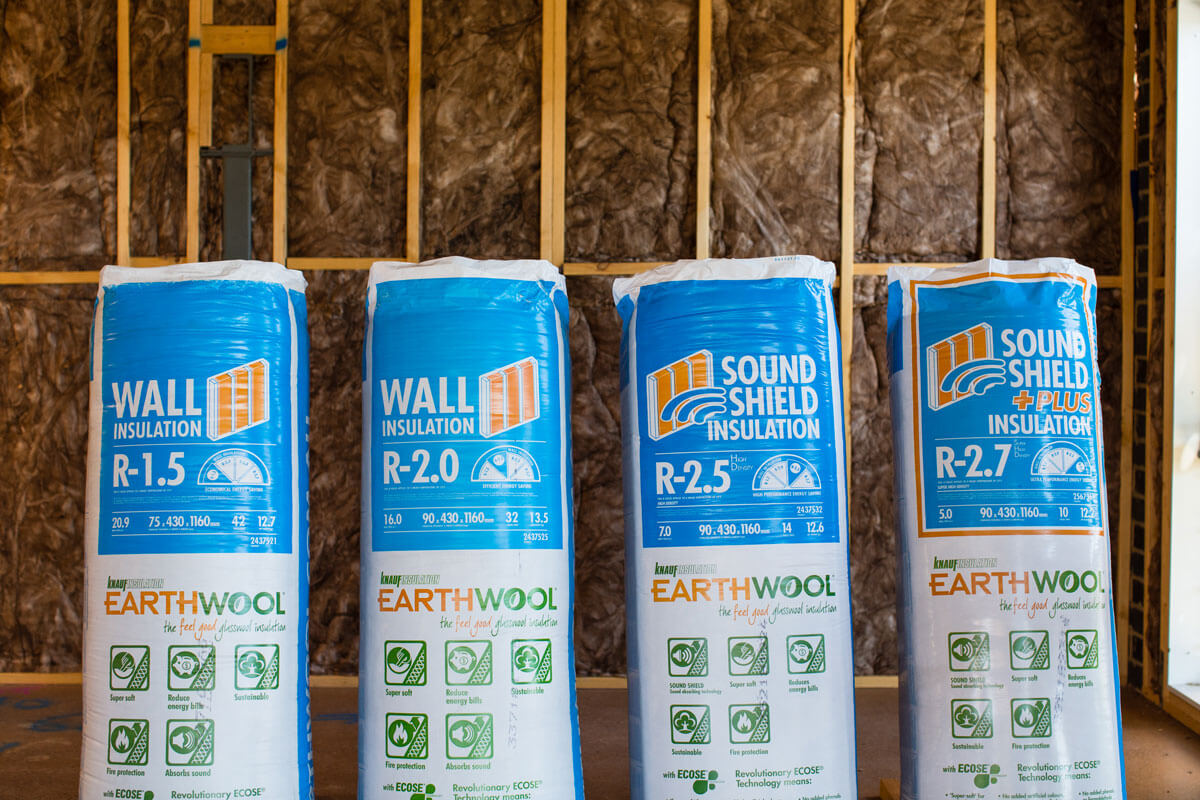
Will the insulation top-up option be the next trend?
With electricity costs increasing significantly across many areas in Australia, the insulation top-up option might soon become the new trend. The R-Value of thermal ceiling insulation will usually correspond closely to the thickness of the insulation batts. The more you’re paying for your energy, the more likely you will be to save money by topping up the insulation in your ceiling with an extra layer.
Air-conditioning vs Insulation
Here’s how it works: let’s imagine electricity was free, and let’s imagine your house had no insulation. To compensate, however, your house is fitted out with a top-of-the-range ducted air-condition system. On a hot day, the roof space heats up like a furnace, and before long, the ceiling itself is emitting heat which can be felt inside the house. But since it doesn’t cost anything, you just crank up your air-conditioning and keep the heat at bay… or most of it at least. In this scenario, it would be tempting to just leave the home uninsulated, after all, it’s not costing you anything - or is it?
The excessive load on the air-conditioning system will doubtless lead to higher servicing and repair costs. But you might think that’s not much, compared with the cost of insulating the entire ceiling. But this scenario obviously isn’t from the real world.
Rising power prices in Australia
In the real world (or at least in Australia) gas and electricity cost money, and in most states, from 1 July 2017, an average Australian family can expect to pay hundreds of dollars more per year for their energy use...all other factors being equal. Which brings us to an interesting point: what if your home is under-insulated? You might well ask - what’s the definition of under-insulated, when is some insulation not enough? One way of looking at it would be as follows: If the cost of increasing the R-value would reduce the energy cost by more than this cost, over a reasonable period of time – then your home is probably under-insulated.
How quickly does insulation pay for itself?
For example: let’s say the cost of topping up your insulation (assuming you’ll install it yourself) comes to $600. You estimate that the increased thermal protection in your roof-space will knock $150 per year off your energy costs. So in 4 years, the investment has practically paid itself off, and thereafter, it delivers savings, year after year. If you consider that to be a good investment, then by this definition, your house is under-insulated and will benefit from a timely top-up. Happy insulating!
Knauf Earthwool Ceiling Insulation Batts
- Choose from R3 to R8, from temperate climates up to cold-climate performance
- Softer to handle than standard glasswool, thanks to the ECOSE bio-based binder
Pink Batts Glasswool Ceiling Insulation
- Choose from R2.5 to R7, from temperate climates up to cold-climate performance
- Australian made, from up to 80% recycled glass
Bradford Hi-Performance Gold Ceiling Batts
- Choose from R5 to R7, from temperate climates up to cold-climate performance
- Australian made, to Australian standards
Find the right insulation for your job, or get a trade quote.
Leave a comment