
When should I use board insulation?
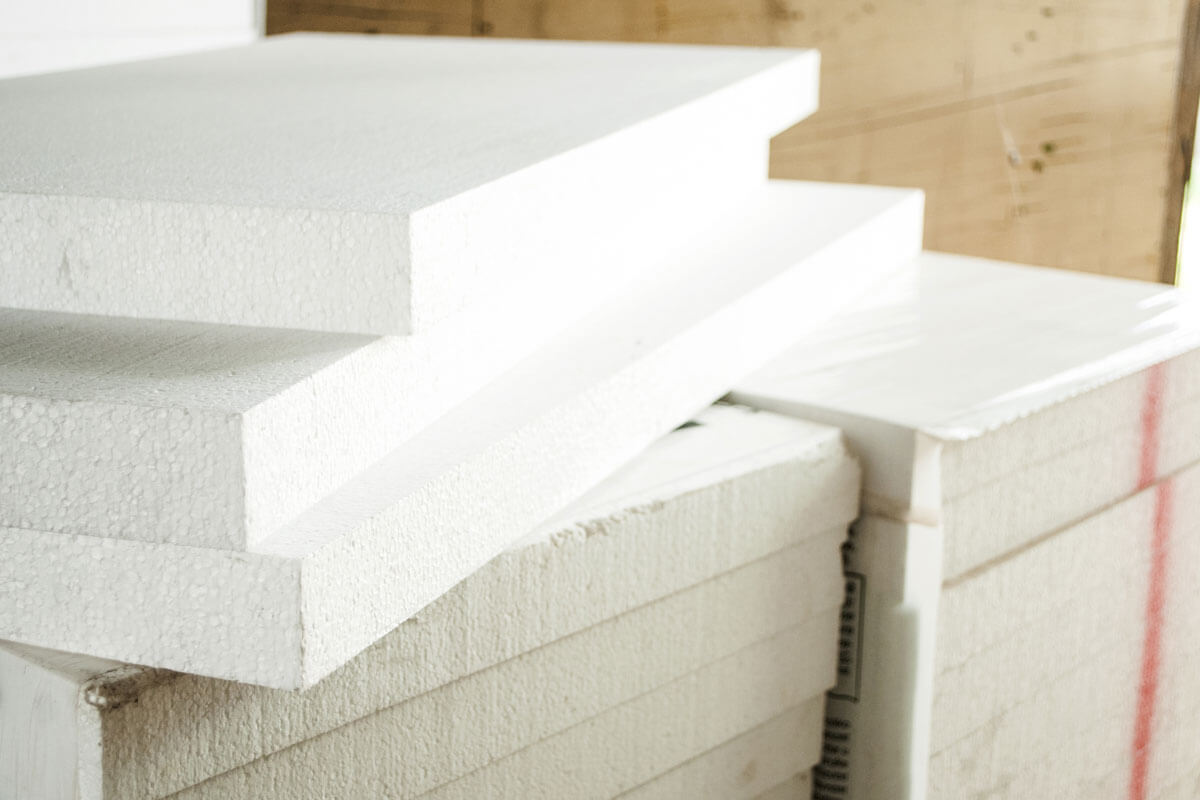
Insulation boards can be utilised in both commercial and residential settings and can be a cost-effective alternative to fibreglass insulation. Rigid board insulation is available in varying thicknesses from 20mm to 100mm and a standard sheet size of 1200mm x 2400mm. Many board insulation products are designed to achieve high R-values with minimal thickness. Board insulation is generally moisture resistant, and can tolerate getting wet, making it suitable for installation during the early construction phase. Typical uses for board insulation include: slab foundations, basements, exterior and internal wall insulation, and a thermal barrier layer underneath floor heating systems.
How Does Board Insulation Work?
Insulation Foam provides thermal resistance and reduces heat flow to keep your home warmer in winter and cooler in summer. So, if your board insulation is installed correctly, it reduces heat conduction and thermal convection, which transfer heat through materials and air, from a warmer to a cooler environment, and foil-faced boards also reflect radiant heat. Remember, don’t leave any gaps in your insulation. This will compromise the effectiveness of the insulation as air can freely pass through air gaps. Installing insulation in your home can lower your energy usage, increase energy savings and create a comfortable home to live in!

What materials is board insulation made of?
Insulation boards are rigid, durable and sturdy. There are a few materials that these boards are made of. Below is a short description of common materials used.
Expanded polystyrene (EPS) is a rigid cellular foam which is manufactured from petroleum and natural gas by-products. No ozone-depleting CFCs and HCFCs are involved in the manufacturing of this product. EPS is one of the cheapest board insulation materials and is 100% recyclable at selected EPSA collection centres across Australia.
Extruded polystyrene (XPS) is also a rigid foam that is manufactured using the extrusion process from a polystyrene polymer. XPS is shaped into sheets during the molten stage and once hardened can be further cut into required sizes. This product provides long-term stable R-values and is moisture resistant.
Polyisocyanurate (PIR) is a closed-cell, rigid foam insulation. It is used in both residential and commercial applications and can be used in the roof, walls and underfloor areas. Due to its rigid structure it is easy to handle and can be easily fixed to most substrates. PIR board insulation has a high thermal value, due to its low thermal conductivity, giving buildings continued thermal efficiency throughout their lifespan.

What about the R-value of insulation boards?
The insulating properties of a material are measured by R-value, which provides an indication of the thermal resistance of a material. The higher the R-value the greater the insulating capabilities, and in rigid board insulation the thickness can be an indication of the R-value for that product. For example, PIRMAX has products starting from an R1.0 which is 20mm to R5.0 which is 100mm thick. If you need extra assistance with choosing R-values, feel free to contact us on 1300 729 639.

Installing Board Insulation
Insulation boards are clean, irritant-free and can be cut to any size. The insulation foam is easy to cut, which makes the installation process smooth and efficient, as hard-to-reach areas can be fitted with cut insulation. Additionally, board insulation does not shed irritating fibres, making it easier to install and you don’t need to get ‘suited up’ beforehand. Also remember that due to the rigidity of the board, the foam needs to be placed carefully around wall cables, electrical points etc. Installing board insulation can be a very rewarding DIY project.
Foilboard Green Rigid Insulation Panels
- Wall options from R0.26 to R1.3 to match your comfort target
- Combined thermal break, vapour barrier and reflective insulation in one
Foamex StyroTherm Extruded Polystyrene Sheets (XPS Insulation)
- Underfloor options from R0.81 to R2.15
- Rigid, moisture-resistant board that suits tight spaces
Knauf Earthwool SoundShield Insulation Batts
- Available from R2 to R4 to suit different climates
- Softer to handle than standard glasswool, thanks to the ECOSE bio-based binder
Find the right insulation for your job, or get a trade quote.
Leave a comment