 Skip to content

Insulation Tips
Earthwool vs Rockwool – Pricewise Insulation

Aug
Choosing the most appropriate insulation product for your home is important to us! That’s why we make it our top priority to provide you with accurate information on all our available products. The choice is yours – ‘Earthwool vs Rockwool’?
What is Earthwool Insulation?
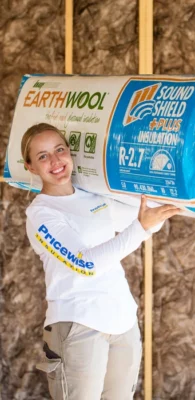
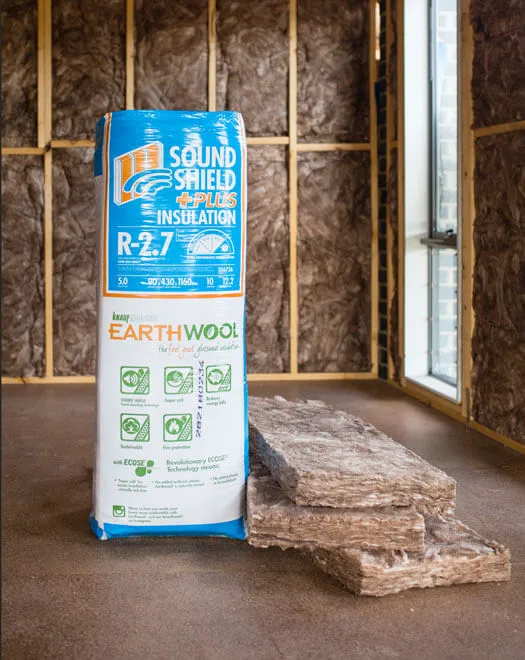
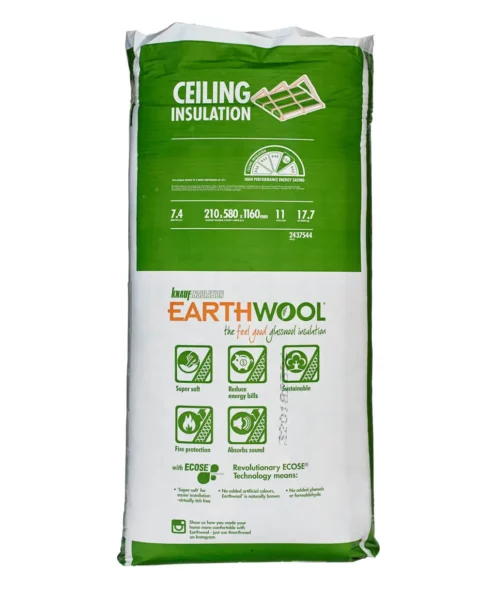
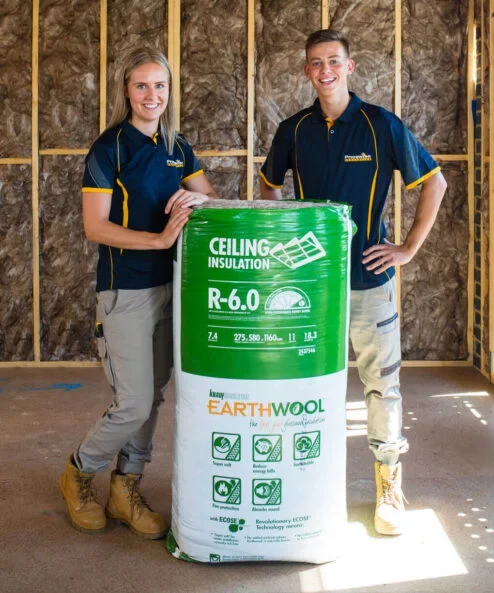
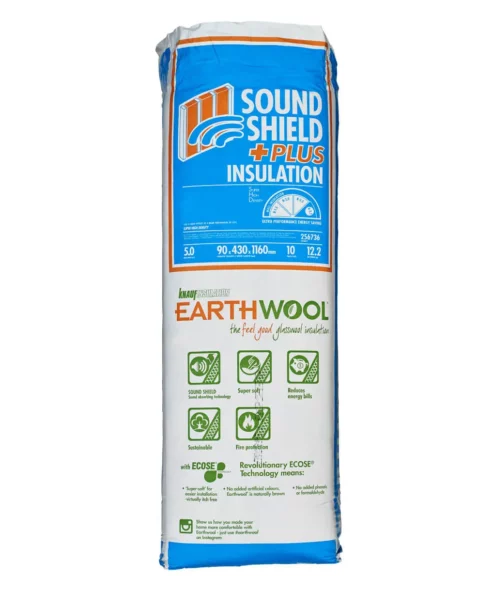
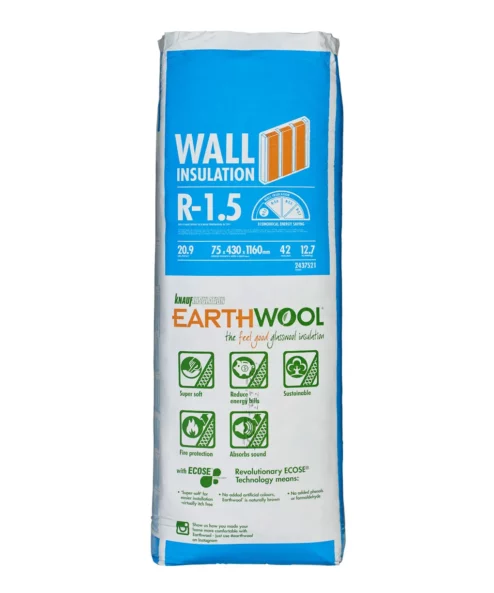
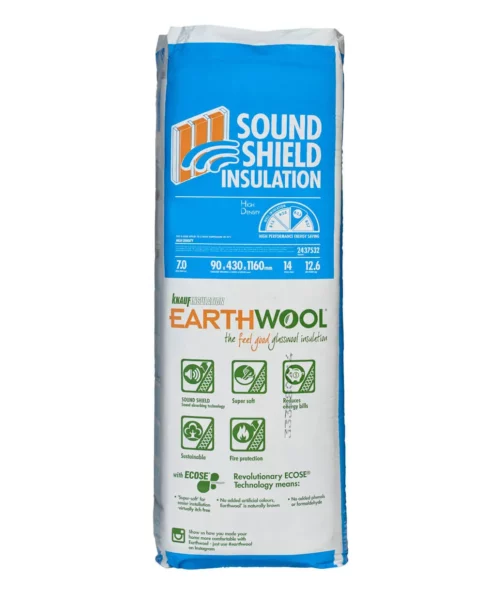
Earthwool also referred to as fibreglass, is made from up to 80% recycled glass material. With an environmentally friendly binder resign (ECOSE Technology), earthwool insulation is soft to handle and install. Earthwool acoustic insulation is denser than regular insulation batts which enables sound absorption prevents sound transfer from outside to inside the home.
Earthwool insulation key benefits:
- High thermal performance
- Low itch factor
- Non-combustible
- Odourless
- 50 year warranty
- Compression packed
What is Rockwool Insulation?
Rockwool as the name suggests is made from rock such as basalt. It is melted and then spun at high temperatures to create fibres which make up insulation batts or rolls and no binder resin is used. Both Rockwool and Earthwool insulation, restricts heat transfer by trapping air in tiny air pockets created by insulation fibres. It is important not to compress Rockwool insulation as this will reduce its insulating capabilities. Additionally, Rockwool insulation is known for its exceptional fire ratings as it is non-combustible, does not conduct heat and can withstand temperatures of above 1000°C.
Rockwool insulation key benefits:
- Fire Resistance
- Acoustic ratings
- Non-combustible
- High thermal performance
- 10 year warranty
Cost – Earthwool vs Rockwool
In Australia, Rockwool insulation is generally three times more expensive than Earthwool insulation. One reason for this is that both products are manufactured overseas and as Earthwool can be compressed more than Rockwool this allows for easier transportation and reduced transport costs. Don’t let the higher price tag of Rockwool insulation deter you! This product offers great acoustic, fire, thermal and moisture ratings for any application where fire rating requirements must be meet.
Acoustic rating – Earthwool vs Rockwool
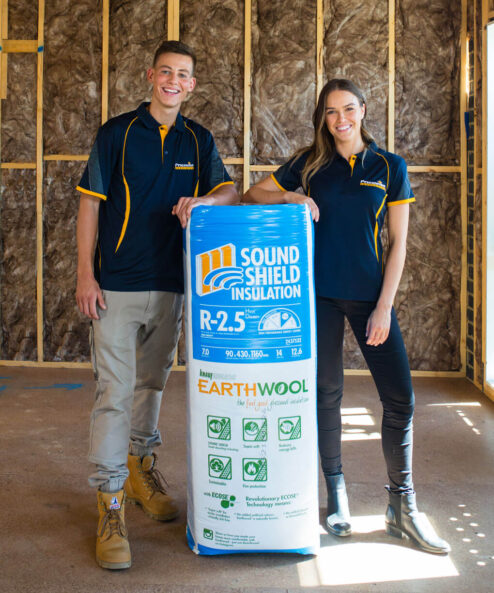
Due to its high density, Rockwool is highly effective barrier in reducing noise transfer between rooms and is suitable for a variety of applications such as residential buildings, offices, hospitals, and retail stores. In contrast, earthwool insulation has an acoustic product called sound shield which is higher in density than regular thermal batts and available in R2.0HD, R2.5HD, R2.7HD and R4.0HD. When comparing, Earthwool vs Rockwool in their acoustic ratings, both are similar in their performance and have the capability of absorbing as much as 75% of sound vibrations.
Thermal rating – Earthwool vs Rockwool
The thermal rating of insulation is referred to as the R-value and the higher the R-value the greater the thermal performance. Rockwool is said to have an R-value of 3-4 per inch, whilst Earthwool insulation is 2.2 – 2.7 per inch. This means that Rockwool has slightly higher insulating capabilities than Earthwool.
Fire Rating – Earthwool vs Rockwool
Rockwool is made from stone wool fibres which are non-combustible and can resist temperatures of above 1000°C. Rockwool insulation won’t burn, which means it can assist in containing a fire to a certain area and delay the spread of flames. Due to its minimal organic properties, Rockwool will not produce toxic smoke. This is a very significant feature of Rockwool as more people are harmed from toxic smoke inhalation than the actual fire.
Similarly, Earthwool insulation is considered non-combustible which means the material will not act as a fuel source for the fire. Earthwool insulation has been tested in accordance with AS/NZ 1530.3 code and has indicated fire performance ratings of the following; Ignitability: 0, Spread of Flame: 0, Heat Evolved: 0, Smoke Developed: 0-1.
What’s the conclusion?
Overall Rockwool offers high r-values, acoustic and fire ratings, but for a higher price tag than Earthwool. So, unless a project specifies Rockwool to meet a certain fire requirement, Earthwool will be a far more cost effective solution and in still non-combustible. Earthwool insulation is available in a variety of R-values and density ratings to achieve your desired thermal and acoustic results. Feel free to Contact Us if you require more information on any of our insulation products.
Featured ProductsBrowse All
 Call Us
 Email Us
 Opening Hours
do you have Rockwool acoustic/insulation available in Sydney-if so where can I buy it
Hi Hugh,
We have access to a wide range of insulation products including James Hardie Rockwool Insulation. Please give our Sydney team a call on 1300 729 639 and they would be happy to assist.
Cheers!
Where can I find a stockist for Rockwool in Alice Springs NT? Two suppliers from Victoria and NSW won’t send outside of their State.
Hi Jenny,
Thanks for your question. You could contact James Hardie Australia and ask if they’ve got any stockists in Alice Springs that sell James HardieFire Rockwool Insulation.
Cheers,
Christa
Where R value is for insulation, SPC values are for sound isolation. Fibreglass SPC value is near zero where rockwool values increase with density. My life friend and former neighbour was founder and owner of the world’s largest acoustic engineering company. And he spent the first years of his life after his masters in acoustic engineering working in one of the SPC labs benchmarking products including Rockwool when it was invented. He demonstrated a sound to me behind a wall insulated with fibreglass bats vs Rockwool and one you could hear a voice recording thru at naturally speaking volume and the other wall in the same room no sound could be heard. As he said, when your in the fibreglass bats business you have to compete and come up with fancy marketing names, but the SPC benchmarks don’t lie.
Thanks for your comment!
Having insight from someone who has worked directly in acoustic testing is awesome, and Rockwool definitely has a strong reputation for sound control.
Sound isolation is usually measured as STC for the whole wall assembly, and that performance depends on a lot of factors – plasterboard layers, sealing, framing, and decoupling – not just the insulation in the cavity.
Rockwool’s higher density compared to glasswool improves its ability to absorb noise, so it often performs a bit better. However, fiberglass still provides meaningful sound dampening and plays an important role in soundproofing between spaces.
Either way, both materials definitely have their place, depending on the goal.
can anyone provide any insights into health risks and factors to consider ofor both options?