

Insulation Tips
Is Hemp Insulation a Viable Option?
Mar
As Australians look for smarter ways to build and renovate, sustainability is no longer a niche concern – it’s becoming mainstream. From rooftop solar to rainwater tanks, eco-conscious choices are shaping the way we think about our homes. One area that’s gaining attention is insulation. In particular, many homeowners are starting to ask: is hemp a good insulator?
In this article, we’ll explore what hemp insulation is, how it works, and whether hemp insulation could be a viable option for your home.
What Is Hemp Insulation?
Let’s start with the basics: what is hemp insulation?
Hemp insulation is a natural building material made from the fibres of the industrial hemp plant (Cannabis sativa). Unlike its psychoactive cousin, industrial hemp contains only trace amounts of THC and is grown specifically for industrial uses such as textiles, rope, food products, and increasingly, construction materials.
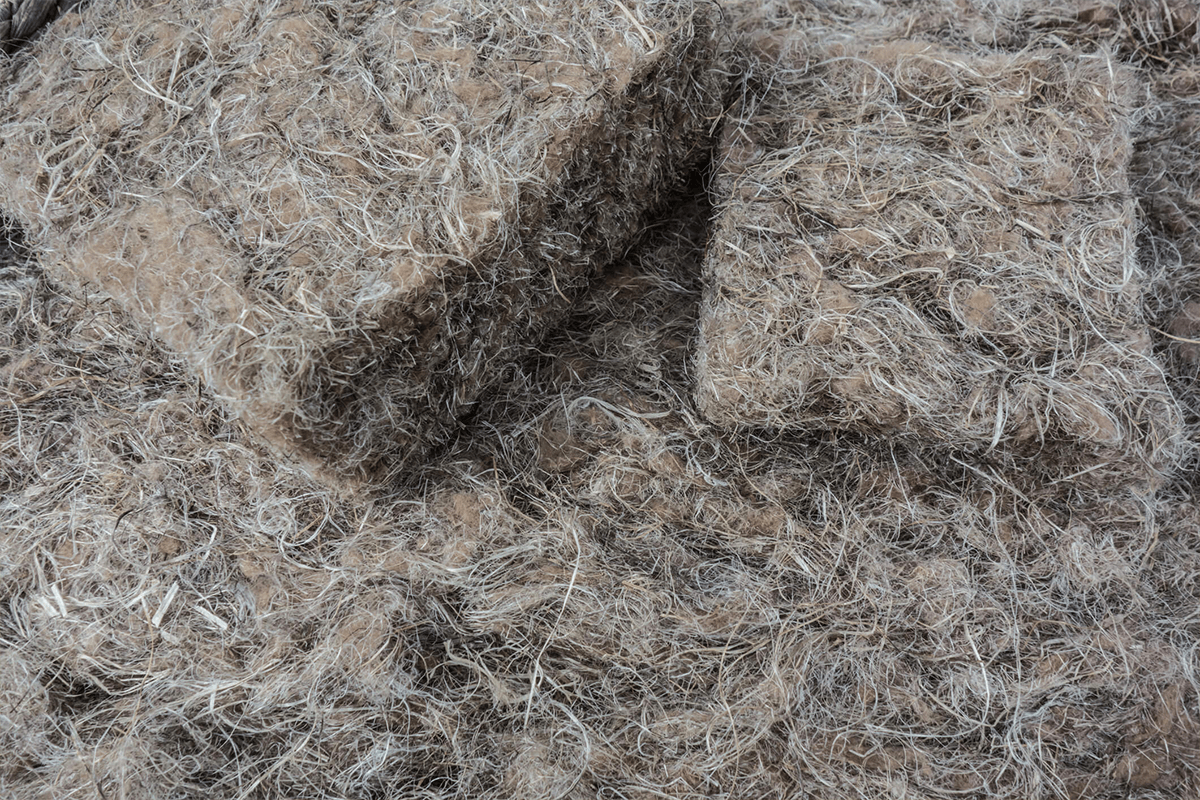
In insulation form, hemp fibres are typically processed into batts or rolls, similar in shape to traditional fibreglass or polyester insulation. The fibres are bonded together (often using natural or low-toxicity binders) to create a flexible, breathable material that can be installed in walls, ceilings, and floors.
There is also a related product called hempcrete – which is a mixture of hemp hurds (the woody core of the plant), lime, and water – but this is used more as a building material rather than a direct insulation substitute. In this article, we’re focusing on hemp fibre insulation batts.
A common question from Australian homeowners is: is hemp a good insulator?
From a thermal perspective, hemp performs comparably to many conventional insulation products. Hemp insulation typically has an R-value similar to bulk insulation materials like polyester or Glasswool. This means it can effectively slow the transfer of heat, helping to keep homes warmer in winter and cooler in summer – a key consideration given Australia’s varied climate zones.
Beyond thermal performance, hemp insulation also offers:
1. Breathability and Moisture Regulation
Hemp is naturally breathable and hygroscopic, meaning it can absorb and release moisture without losing its insulating properties. This can help reduce condensation issues inside wall cavities – particularly important in cooler regions such as Victoria, Tasmania, and parts of NSW.
Proper moisture management can also contribute to improved indoor air quality and reduced mould risk.
2. Acoustic Insulation
Hemp as insulation also performs well acoustically. Its dense fibre structure can absorb sound effectively, making it a strong option for internal walls, home offices, or multi-residential buildings where noise control is important.
3. Fire Performance
Although it’s plant-based, hemp insulation is typically treated with non-toxic fire retardants to meet Australian building standards. It can achieve solid fire-resistance ratings, comparable to other bulk insulation materials when properly installed.
The Sustainability Factor
One of the biggest reasons households are considering hemp insulation in Australia is sustainability.
Hemp is often described as a ‘carbon-negative’ crop. It grows quickly – typically within 3 to 4 months – and absorbs significant amounts of carbon dioxide during its growth cycle. Compared to synthetic insulation materials that rely on petrochemicals or energy-intensive manufacturing processes, hemp has a much lower embodied energy footprint.
Other environmental benefits include:
- Renewable resource – Hemp can be grown annually.
- Low pesticide use – It generally requires fewer chemicals than many other crops.
- Biodegradable – At the end of its life cycle, hemp insulation is far less harmful to landfill than synthetic alternatives.
For Australians building energy-efficient or passive homes, hemp aligns well with broader sustainability goals.
How Does Hemp Compare to Traditional Insulation?
When evaluating whether hemp is viable, it helps to compare it to common alternatives such as:
In terms of R-value per thickness, hemp is broadly comparable to polyester and Glasswool. However, it may not always reach the highest R-values available on the market, meaning slightly thicker batts could be required in some applications.
Where hemp stands out is in:
- Environmental credentials
- Reduced itchiness or irritation during installation (compared to fibreglass)
- Natural fibre composition
- Moisture buffering capability
On the downside, hemp insulation can currently be more expensive than mass-produced conventional products. Availability may also be more limited depending on your location, though supply chains in Australia are steadily growing.
Hemp Insulation in Australia: Is It Practical?
Interest in hemp insulation Australia is growing, particularly among architects and builders specialising in sustainable and high-performance homes.
Industrial hemp cultivation has expanded in several states, including Victoria, Queensland, Tasmania, and NSW. As local production increases, the accessibility and affordability of hemp-based building materials are likely to improve.
That said, hemp insulation is still considered a niche product in the Australian market. Not all builders are familiar with its installation, and it may not always be stocked at major hardware chains. Homeowners considering hemp should work with suppliers and builders experienced in sustainable materials.
It’s also important to ensure the product complies with the National Construction Code (NCC) and relevant Australian Standards.
Although Pricewise doesn’t currently stock hemp insulation, we work with manufactures who produce hemp insulation and can arrange a quote for the product.
Potential Drawbacks to Consider
While hemp insulation has many appealing qualities, it’s not without trade-offs:
1. Cost
Hemp batts can cost more upfront than conventional insulation. For budget-focused builds, this can be a deciding factor.
2. Availability
In regional or remote areas, sourcing hemp insulation may involve longer lead times.
3. Market Maturity
Because hemp insulation is still emerging in Australia, long-term performance data in local conditions is more limited compared to decades-old products like Glasswool.
However, many early adopters report positive performance outcomes, especially in homes designed with passive design principles.
So, Is Hemp Insulation a Viable Option?
For Australians prioritising sustainability, indoor air quality, and renewable materials, hemp insulation is absolutely a viable option – particularly in new builds or major renovations where eco-performance is part of the design brief.
If your main priority is lowest upfront cost, traditional insulation materials may still win out. But if you’re looking for a product that aligns with low-carbon building principles and offers solid thermal and acoustic performance, hemp as insulation deserves serious consideration.
As Australia continues to transition towards more sustainable construction practices, hemp is likely to move from niche alternative to mainstream contender.
Final Thoughts
The question ‘is hemp a good insulator?’ doesn’t have a one-size-fits-all answer – but for many Australian homes, it can be a strong performer both thermally and environmentally.
Understanding ‘what is hemp insulation?’, how it compares to traditional materials, and how the hemp insulation Australia market is evolving can help you make a more informed decision.
As with any insulation choice, the key is matching the material to your climate zone, budget, and sustainability goals. With the right application, hemp insulation could play a meaningful role in building greener Australian homes.
 Call Us
 Email Us
 Opening Hours