

Insulation Tips
What Is an Insulator?
Jun
If you’ve ever tried to keep your home warm during a chilly Melbourne winter or cool through a scorching Australian summer, you’ve already experienced the importance of insulation. But stepping back from everyday use, what is an insulator in the first place? And how does it actually work?
This guide explains what insulation is, explores the science behind it, and covers the different forms of insulation commonly used across Australia.
What Is Insulation?
Insulation is the practical application of insulating materials to control temperature, sound, or electrical flow. When we talk about insulation in Australian homes, we’re typically referring to thermal insulation< - materials installed in walls, ceilings, and floors to regulate indoor temperatures.
You might also see the phrase “insulation – what is it?” used in a broader sense. It covers:
- Thermal insulation (heat control)
- Acoustic insulation (soundproofing)
- Electrical insulation (preventing current flow)
In residential settings, thermal insulation is by far the most relevant.
Insulation Definition: How Does It Work?
A clear definition of insulation should explain how it works. Insulators work by reducing the three main types of heat transfer:
1. Conduction
This is heat moving through a solid material. For example, when your roof heats up under the Australian sun, that heat tries to pass through into your home. Insulation slows this process.
2. Convection
Heat can also move through air. Insulation materials often trap pockets of air, preventing it from circulating and carrying heat with it.
3. Radiation
Radiant heat travels in waves, like the warmth you feel from sunlight. Some insulation types reflect this heat away, helping to keep interiors cooler.
In simple terms, to insulate something means to create a barrier that reduces heat flow – keeping warmth in during winter and out during summer.
Why Insulation Matters in Australia
Australia’s climate varies dramatically, from the tropical north to the cooler southern states like Victoria and Tasmania. Good insulation is essential for:
- Energy efficiency: Reduces reliance on heating and cooling systems
- Comfort: Maintains stable indoor temperatures
- Cost savings: Cuts down electricity bills
- Sustainability: Lowers energy consumption and carbon emissions
Given rising energy costs, understanding what is insulation and using it effectively is more important than ever for Australian households.
Forms of Insulation
There are several forms of insulation, each with its own strengths depending on the application. Here’s a breakdown of the most common types used in Australian homes:
1. Bulk Insulation
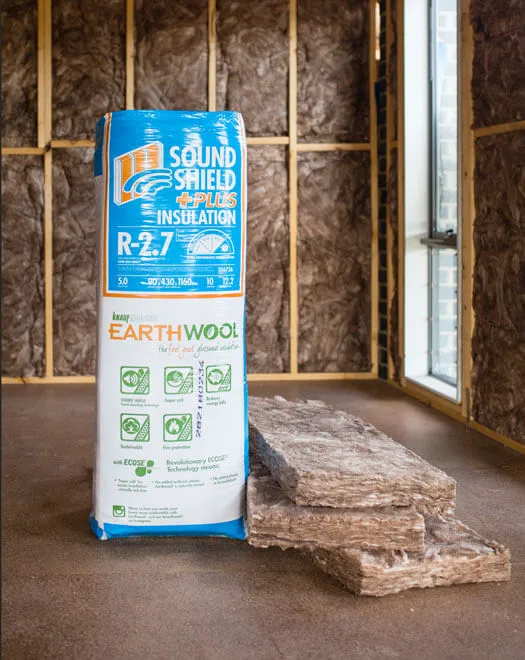
Common materials include:
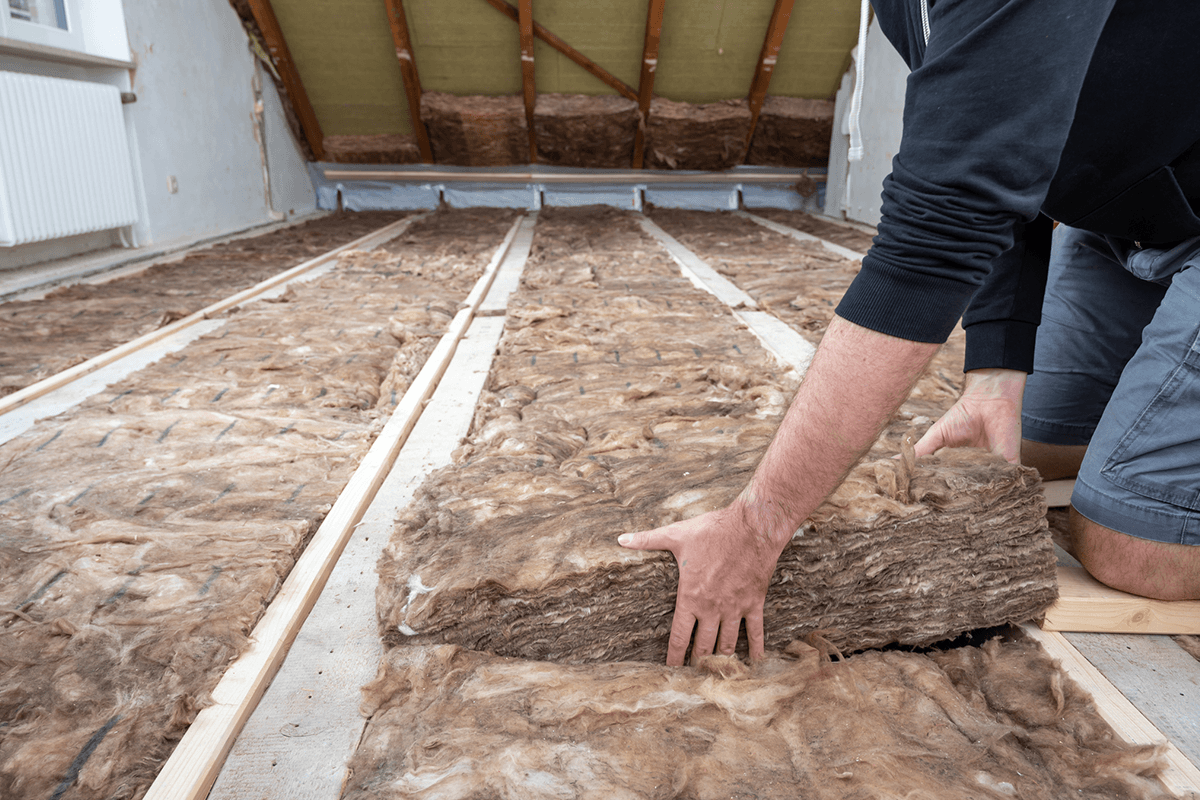
These are typically installed in ceilings and walls and are effective in both hot and cold climates. They are designed to slow down the transfer of heat, helping keep the warmth inside in the winter and the heat out in the summer.
2. Reflective Insulation
Reflective insulation is designed to reflect radiant heat rather than absorb it. It’s particularly useful in Australia’s hotter regions.
Examples include:
- Foil laminates such as Kingspan Air-Cell
- Reflective sarking
This type is often installed under roofing materials to reduce heat entering the home.
3. Spray Foam Insulation
Spray foam expands when applied, filling gaps and creating an airtight seal. It’s highly effective for:
- Hard-to-reach areas
- Sealing air leaks
- Improving energy efficiency
While more expensive upfront, it provides excellent thermal performance.
4. Rigid Board Insulation
Rigid boards are dense panels used in walls, roofs, and floors. They offer high insulating value in a relatively thin layer.
Materials include:
- Polystyrene
- Polyurethane
- Polyisocyanurate
- Phenolic Foam
They’re often used in new builds or major renovations.
Choosing the Right Insulation
Selecting the right type depends on several factors:
- Climate zone: Australian building codes divide the country into climate zones, each with different insulation needs
- Location in the home: Roof, walls, and floors may require different materials
- Budget: Some options have higher upfront costs but better long-term savings
- Sustainability goals: Natural materials may appeal to eco-conscious buyers
Understanding the different forms of insulation helps you make a more informed choice.
Final Thoughts
So, what is an insulator? It’s more than just a material – it’s a crucial component in creating comfortable, energy-efficient living spaces. By slowing the transfer of heat, insulators help Australian homes stay cooler in summer and warmer in winter.
With a clear insulation definition in mind, and a better understanding of what is insulation, you’re better equipped to choose the right solution for your needs. Whether you opt for traditional bulk materials or explore newer options like hemp, the ability to effectively insulate your home can make a significant difference in comfort, cost, and sustainability.
 Call Us
 Email Us
 Opening Hours