 Skip to content


Insulation Tips
What Is R-Rating in Insulation?

Aug
If you’ve ever shopped for insulation, you’ve almost certainly come across terms like R-rating, R-values, or R-rating insulation. While these figures appear on virtually every insulation product sold in Australia, many homeowners aren’t entirely sure what they actually mean.
Understanding insulation ratings is one of the best ways to choose the right product for your home. Whether you’re building a new property, renovating an existing one or simply trying to reduce your energy bills, selecting the appropriate insulation can make a significant difference to year-round comfort and energy efficiency.
This guide explains the R-rating meaning, how building insulation R-values work, and which insulation R-value is most suitable for different parts of an Australian home.
What Is an R-Rating?
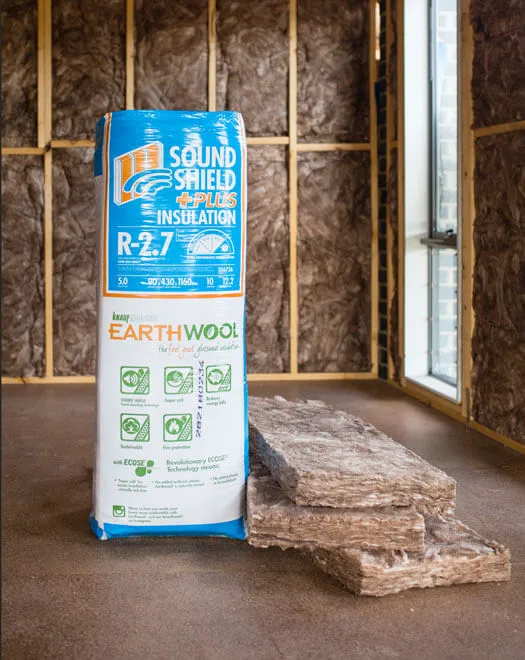
An R-rating (also known as an R-value) measures how well an insulation material resists the transfer of heat.
In simple terms, the higher the R-value, the better the insulation performs at slowing heat movement.
This works in both directions:
- During summer, insulation helps keep unwanted heat outside.
- During winter, it helps retain warmth inside your home.
Rather than producing heat or cooling, insulation simply reduces the rate at which heat moves through walls, ceilings and floors.
When comparing insulation products, R-values provide an easy way to understand their thermal performance.
What Is the R-Rating Meaning?
The R-rating meaning is relatively straightforward:
- R stands for thermal resistance.
- The number represents how effectively a material resists heat flow.
For example:
- R2.0 provides less thermal resistance than R4.0.
- R5.0 performs better than R3.5.
Generally speaking, higher R-rating insulation delivers greater energy efficiency, although choosing the highest available R-value isn’t always necessary or practical.
The ideal insulation depends on where it’s being installed, your home’s design, and Australia’s varied climate zones.
Video – What Does R-Value Mean?
Why Are Building Insulation R-Values Important?
Good insulation can dramatically reduce heating and cooling costs.
Since heating and cooling account for a large proportion of household energy consumption in Australia, selecting the appropriate building insulation R-values helps improve comfort while lowering electricity bills.
Correctly specified insulation can also:
- Reduce indoor temperature fluctuations.
- Improve energy efficiency.
- Lower greenhouse gas emissions.
- Reduce reliance on air conditioning and heating.
- Make rooms more comfortable throughout the year.
Because insulation continues working for decades after installation, choosing the correct R-value is an investment that pays dividends over time.
Do Higher R-Values Always Mean Better Insulation?
Technically, yes – a higher R-value means greater thermal resistance.
However, that doesn’t automatically mean it’s the right choice for every application.
Factors that influence the best insulation choice include:
- Australia’s climate zone
- Roof, wall or floor installation
- Available cavity depth
- Budget
- Existing insulation
- Local building requirements
For example, an R7.0 ceiling batt offers outstanding thermal performance, but if your roof cavity only accommodates an R5.0 product, installing the larger batt may compress the insulation and reduce its effectiveness.
Likewise, walls often have limited cavity depth, meaning extremely high R-values simply aren’t practical.
Choosing insulation that suits both the building and the installation space is more important than simply selecting the highest number available.
How Are R-Values Measured?
Manufacturers test insulation products under Australian Standards to determine their thermal performance.
The published R-value represents the product’s ability to resist heat transfer when installed correctly.
It’s worth noting that insulation only performs as intended when it is fitted properly.
Poor installation, gaps between batts, compressed insulation or missing sections can all reduce the effective thermal performance, regardless of the product’s stated R-rating.
Typical R-Values Used Around Australian Homes
Different areas of a home usually require different insulation levels.
Ceiling insulation
Ceilings experience the greatest heat gain and heat loss.
Common ceiling insulation includes:
Higher R-values are particularly beneficial in regions with extreme temperatures.
Wall insulation
Wall cavities are usually narrower, so lower R-values are more common.
Typical options include:
Underfloor insulation
Raised timber floors can benefit significantly from insulation.
Common products include:
- R2.0
- R2.5
- R3.0
- R4.0
The appropriate choice depends on the home’s location and construction.
Which R-Rating Should You Buy?
There isn’t one universal answer because Australia’s climate varies considerably from region to region.
As a general guide:
Cooler climates
Homes in places such as Melbourne, Canberra, Hobart and many regional areas benefit from higher insulation levels.
Recommended options include:
- Ceiling: R5.0 to R8.0
- Walls: R2.5 to R4.0
- Floors: R2.5 to R4.0
Warmer climates
Homes in Brisbane, Darwin and northern Queensland still benefit greatly from insulation, particularly in the roof where solar heat gain is highest.
Typical choices include:
- Ceiling: R4.0 to R6.0
- Walls: R2.0 to R2.7
Mixed climates
Cities like Sydney, Perth and Adelaide often experience both hot summers and cool winters.
Many homeowners choose:
- Ceiling: R5.0 – R6.0
- Walls: R2.5-R2.7
- Floors: R2.5-R3.0
Ultimately, your home’s design, orientation and local building requirements should all be considered alongside climate when selecting insulation.
Can You Combine R-Values?
Yes.
If you’re adding new insulation over existing insulation, the thermal resistance can often be added together.
For example:
- Existing R2.5 insulation
- New R2.5 insulation
Combined performance:
- Approximately R5.0
This approach can be a cost-effective way to improve energy efficiency without completely removing older insulation, provided the existing insulation remains dry, undamaged and correctly installed.
Is a Higher R-Value Worth the Extra Cost?
In many cases, yes.
Higher-performing insulation generally costs more initially, but it can reduce heating and cooling costs over many years. It continues to pay itself back and save you money for the lifetime of the home
The greatest benefits are usually seen in ceiling insulation, where most unwanted heat gain and loss occurs in the home.
For homeowners planning to stay in their property long-term, investing in higher-quality R-rating insulation often provides excellent value through lower energy bills and improved comfort.
Understanding R-Rating Insulation Helps You Make Better Choices
Understanding R-values makes selecting insulation far less confusing. The R-rating meaning is simply a measure of thermal resistance, with higher values indicating better insulation performance.
However, the highest number isn’t always the best option. The ideal building insulation R-values depend on your home’s climate, construction and where the insulation will be installed. By matching the appropriate R-rating to each part of your home, you can create a more comfortable living environment while improving energy efficiency and reducing ongoing heating and cooling costs.
 Call Us
 Email Us
 Opening Hours