

MELBOURNE INSULATION
Our warehouse is located at 11 Buch Avenue in Epping. Order your insulation online and get it delivered as early as the same business day in Melbourne.

INSULATION SUPPLIERS IN MELBOURNE
Shop from a huge range of house insulation in Melbourne – including wall, floor and roof insulation. We sell all the major brands including Knauf Earthwool, Kingspan and Bradford Insulation.

Shop Sound Insulation
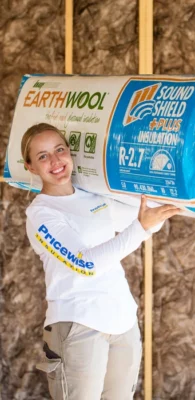
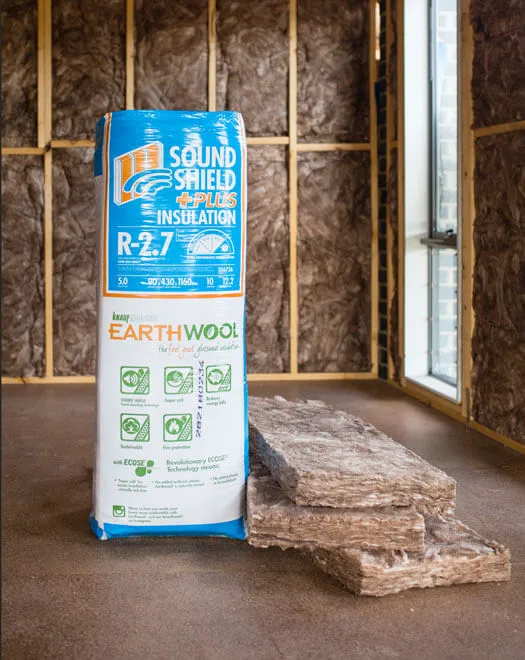
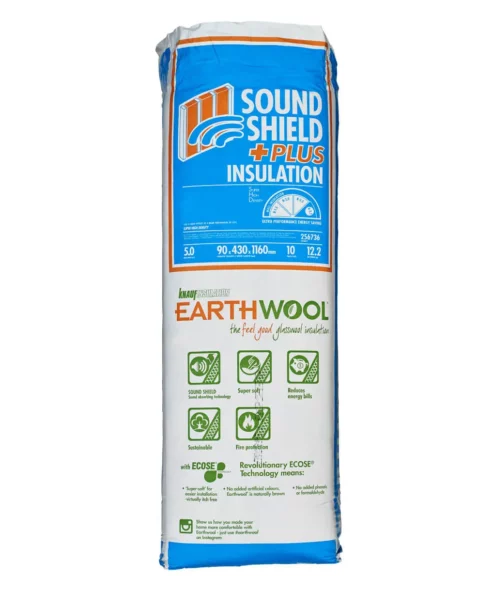
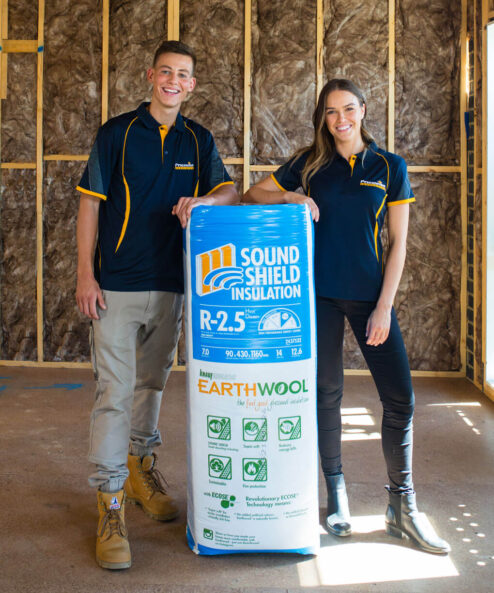
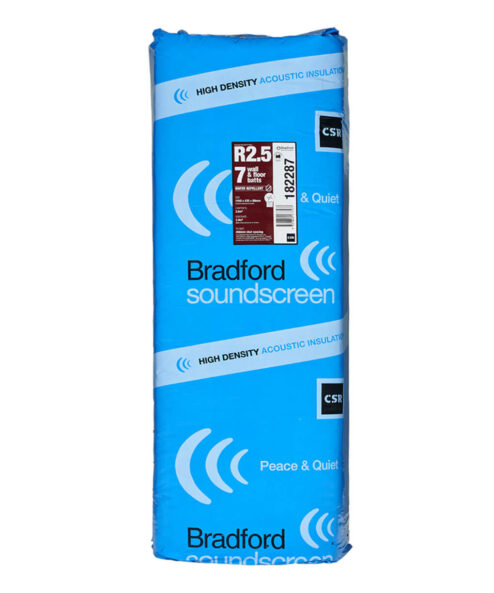
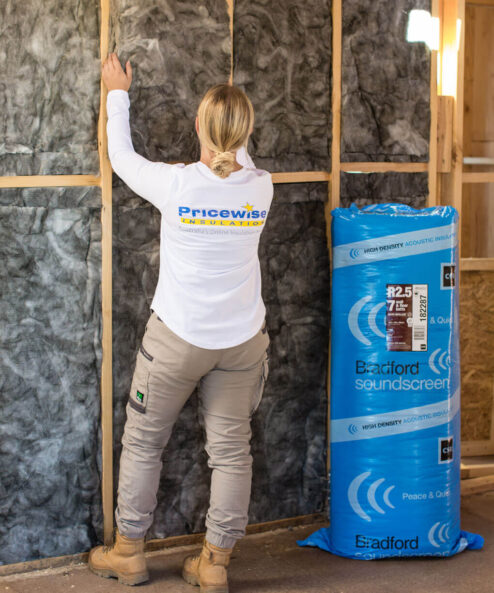
Acoustic insulation helps to reduce noise within the home. We recommend installing sound insulation in the internal walls and between floors of your home.
Buy Insulation in Melbourne – Online
If you are looking to buy insulation in Melbourne then you have come to the right place! Pricewise Insulation is the number #1 online supplier of thermal and acoustic insulation in Melbourne and one of the leading insulation suppliers in Australia as a whole. Our online store offers a huge range of both commercial and home insulation in Melbourne – including wall, underfloor and roof insulation. Our product range includes all the major brands including Knauf Insulation, Autex Greenstuf, Fletcher, Kingspan, Foilboard, Ametalin and Bradford Insulation.
For a same day delivery please give us a call on (03) 8592 4799, otherwise buy online from Pricewise Insulation in Melbourne and receive your insulation in 1-3 days.
Affordable Home Insulation in Melbourne
Did you know that insulation in Melbourne is one of the first things to pay itself back in a new home? According to ICANZ, installing ceiling, wall and floor insulation can save you up to $478 per year on electricity. For optimal results we recommend installing R2.5 wall insulation and R5.0 or R6.0 roof insulation in Melbourne. You would also benefit from installing sound insulation between floors and in the internal walls of your office, bathrooms, toilets and bedrooms. Acoustic insulation helps to create a peaceful home that you can unwind in at the end of a busy day.
Contact usBest Sellers in MelbourneBrowse All
SALE
From $ 9.20 p/m2 inc. GST
This product has multiple variants. The options may be chosen on the product page
From $ 15.63 p/m2 inc. GST
This product has multiple variants. The options may be chosen on the product page
From $ 7.03 p/m2 inc. GST
This product has multiple variants. The options may be chosen on the product page
From $ 10.19 p/m2 inc. GST
This product has multiple variants. The options may be chosen on the product page
SALE
From $ 9.33 p/m2 inc. GST
This product has multiple variants. The options may be chosen on the product page
From $ 18.97 p/m2 inc. GST
This product has multiple variants. The options may be chosen on the product page
From $ 15.63 p/m2 inc. GST
This product has multiple variants. The options may be chosen on the product page
From $ 23.22 p/m2 inc. GST
This product has multiple variants. The options may be chosen on the product page
Buy Insulation Batts in Melbourne
Customers searching for insulation batts in Melbourne will usually find that Pricewise Insulation has exactly what they need. We offer competitive prices to home builders and renovators, and are happy to negotiate a bulk order discount if you require a large quantity delivered within Victoria. Our Melbourne insulation warehouse is located at 11 Buch Avenue, Epping.
Shop Now Contact usHome Insulation Brands
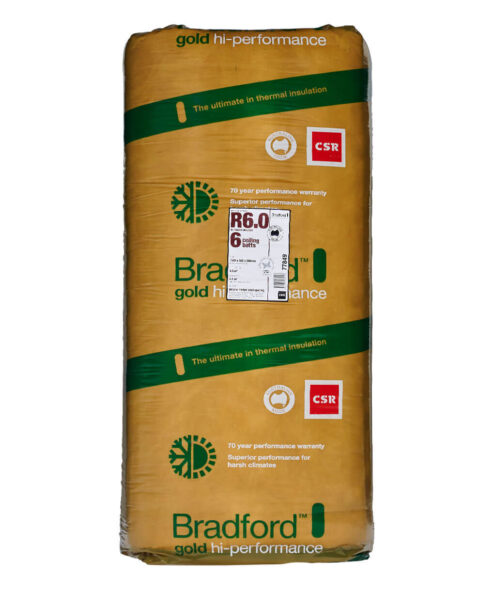
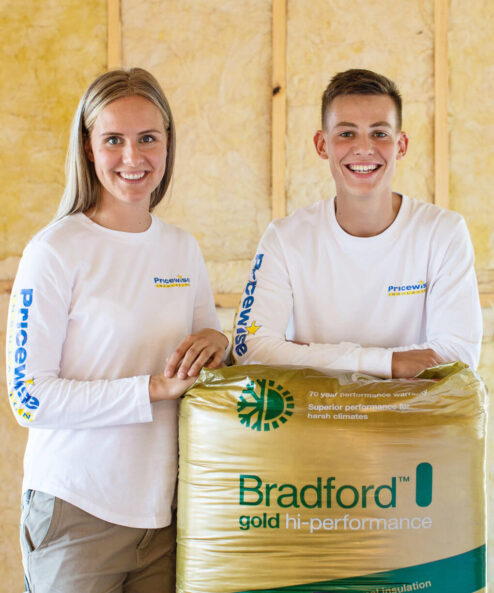
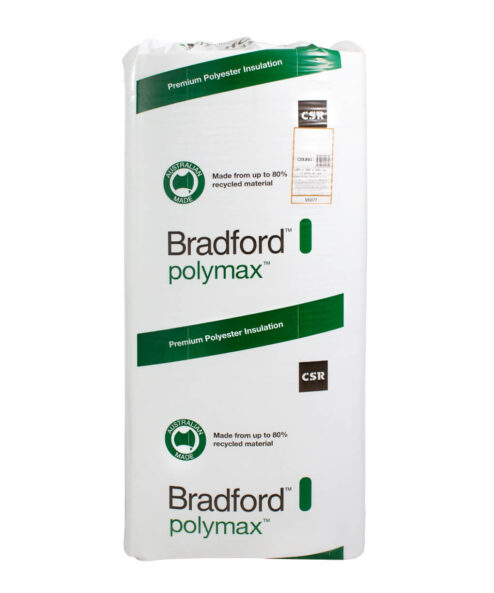
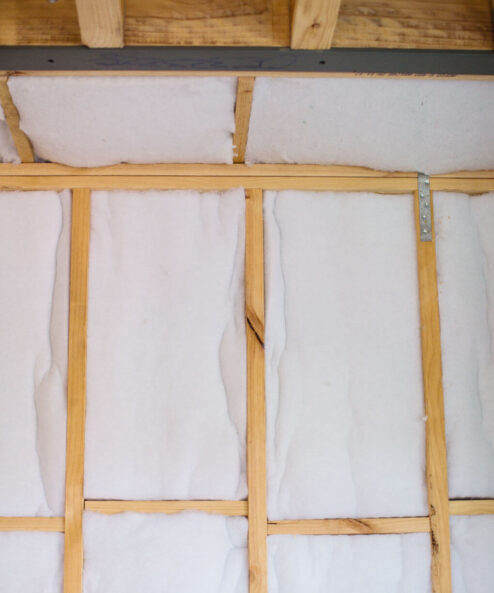
As the #1 insulation company in Melbourne, we supply insulation from all the biggest manufacturers in the glasswool range – Fletcher, CSR Bradford and Knauf Earthwool, and we also sell popular polyester range from Autex. Not sure which brand to buy? Check out our blog post ‘Pink Batts vs Earthwool Insulation’ to understand the differences between these two products. While glasswool is generally the most cost effective solution, some customers prefer polyester due to the fact that it contains absolutely no breathable fibres, and having no ‘itch’ it is by far the most pleasant to work with. Apart from these factors, the thermal and acoustic performance of the various brands is usually very similar.
Featured ProductsBrowse All
SALE
From $ 9.20 p/m2 inc. GST
This product has multiple variants. The options may be chosen on the product page
From $ 23.22 p/m2 inc. GST
This product has multiple variants. The options may be chosen on the product page
From $ 15.63 p/m2 inc. GST
This product has multiple variants. The options may be chosen on the product page
From $ 7.03 p/m2 inc. GST
This product has multiple variants. The options may be chosen on the product page
Earthwool Insulation in Melbourne
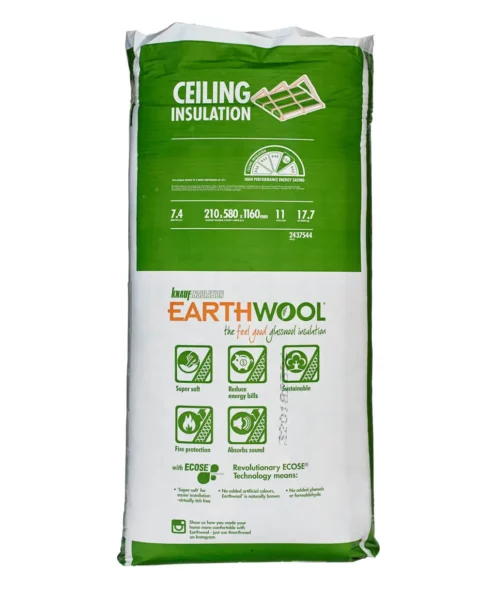
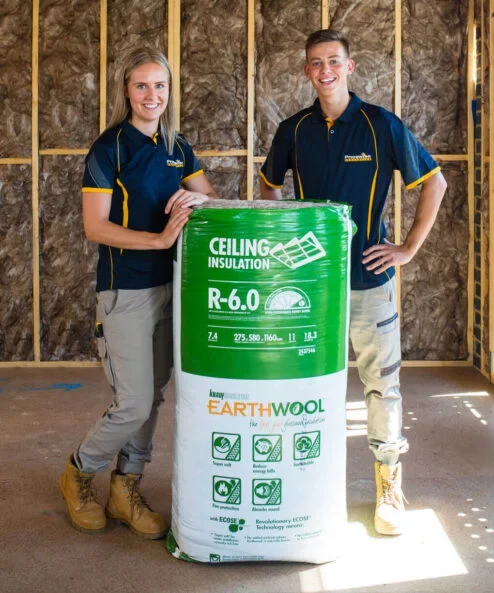
Looking to get your insulation in Melbourne fast? We can deliver Knauf Earthwool Insulation the same business day! Give us a call on 1300 729 639 or order online. Our team has installed Earthwool Insulation in thousands of homes across Melbourne since 2009. We choose this product for its quality, price and compression packaging which makes it easier to transport.
Insulation R-Values for Melbourne
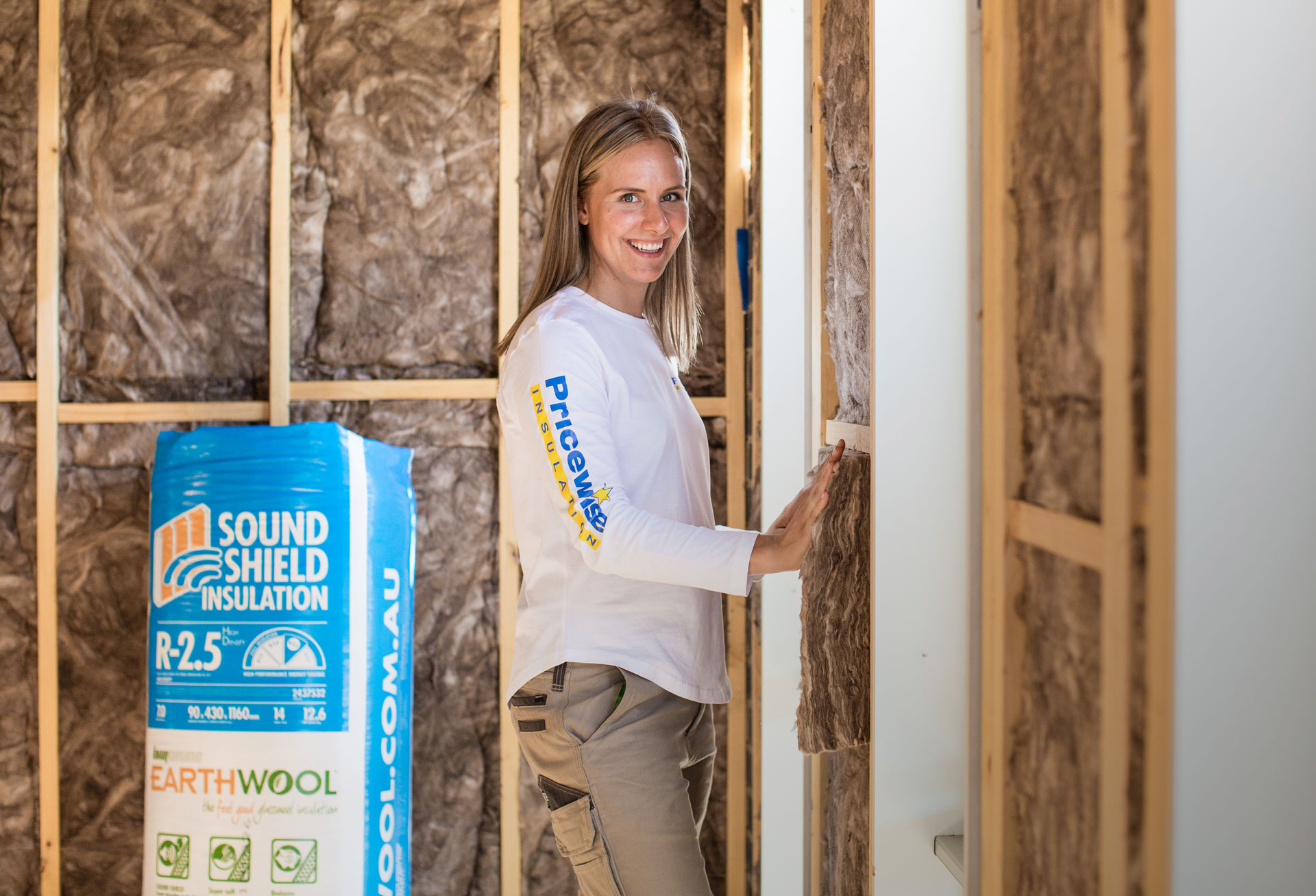
We often get asked what R-value we recommend for Melbourne homes. The R-value measures the resistance to heat flow, so the higher the R-value the better the thermal performance. Based on our experience we recommend installing R2.5 wall insulation and R5.0 or R6.0 ceiling insulation. Melbourne winters are cooler than in other parts of Australia, which is why we recommend upgrading to the highest R-values.
Insulation in Melbourne is a once-off investment that will pay itself back within a few years. The insulation brands that we sell are backed by a 50 year or lifetime manufacturer warranty. This means that your insulation will continue to save you money for decades after it is installed. Saved energy is the most sustainable energy there is!
If you are building a new home then we recommend installing R2.5 sound insulation in the internal walls and between floors of a double storey home. You can also install R4.0 midfloor insulation or R5.0 or R6.0 ceiling insulation between levels. These ceiling batts are so thick that they will reduce noise transfer as well as heat transfer. Acoustic insulation helps to reduce noise and create a more tranquil home. Once the walls have been plastered it is too late to add insulation.
Contact usTrusted Service and Fast Delivery
The team at Pricewise Insulation strive to be the best insulation suppliers Melbourne has to offer. We pride ourselves on the professionalism of our staff and the quality of our product and service. Shop online and select your preferred delivery date at checkout! You don’t need to be home to receive your order, just let us know where you would like us to leave it. We also deliver to customers in regional Victoria, including areas such as Ballarat, Bendigo, Castlemaine, Kilmore and other rural areas. Shop online today or call 1300 729 639!
Home InsulationBrowse All
From $ 10.19 p/m2 inc. GST
This product has multiple variants. The options may be chosen on the product page
SALE
From $ 9.20 p/m2 inc. GST
This product has multiple variants. The options may be chosen on the product page
SALE
From $ 9.33 p/m2 inc. GST
This product has multiple variants. The options may be chosen on the product page
From $ 23.22 p/m2 inc. GST
This product has multiple variants. The options may be chosen on the product page
Frequently Asked Questions
Does My Home Need Insulation?
Yes, practically all homes need, or at least benefit from thermal insulation. The benefits of thermal insulation come on many levels, but basically boil down to one thing; helping to maintain a comfortable temperature in your house throughout the year. Thermal insulation acts like a barrier to heat transfer. During hot weather, it restricts the amount of heat that enters your home, helping to keep your house cool. In the colder Sydney months, insulation helps to prevent heat generated within the house from escaping through the walls, ceiling and underfloor.
Thermal Insulation Can Also Significantly Reduce Your Power Bills
Technically it is possible to maintain a comfortable indoor temperature without installing insulation, but this comes at a significant cost. During the winter months, a lot of heat generated inside many older homes literally goes through the roof due to a lack of adequate ceiling insulation. This means that their heating systems have to keep on generating more heat to maintain the desired temperature, which continues to pass through the roof. Ceiling insulation acts as a barrier for heat transfer, basically trapping much of the heat inside. In the past, when energy prices were cheaper, roof insulation was often seen as an optional extra if the home owner could afford it. These days it seems that the situation is different. Now it appears that the average working family can’t afford not to install ceiling insulation. In fact, many people report having earned back the initial investment of installing insulation in their homes within the first few years, by receiving lower energy bills.
Heating and Cooling Systems Work Too Hard in Homes Without Insulation
Air-conditioners often start to experience problems when they have been worked too hard for too long. There are a number of factors that can contribute to air conditioning overload, one of which is inadequate thermal insulation. During hot weather, the idea is that the cooling system brings down the temperature to the desired level and then switches itself off. Without an adequate level of ceiling insulation, however, heat from the sun will literally be poured continually into the home. This makes it unlikely that the air inside the home will ever reach the desired temperature on very hot days and the cooling system will run constantly. Most systems are not designed for such high use and start to experience issues in the long run. As such, householders who are trying to save money by skimping on ceiling insulation may well be paying up eventually, potentially in the form of a replacement air-conditioning unit sooner rather than later.
Insulation as a Once Off Investment
While it does take a bit of effort and organising, the beauty of installing ceiling insulation in Sydney is that when the job is done it’s done. The manhole is closed and the insulation can be expected to last for the life of the home. Many brands come with either a life time guarantee or at least 50 to 70 years, which effectively is the life of the home. This means that a once off investment will result in ongoing thermal comfort and yield savings on energy bills year after year.
Is Polyester Insulation Better Than Glasswool?
Pricewise Insulation often receives enquiries about whether polyester insulation is better than glasswool in Sydney. Both polyester and glasswool (also called fibreglass) insulation are highly recommended products and very effective in reducing heat transfer. They are both safe products to install and handle. Customers comparing the different types may notice a price difference and wonder whether the more expensive Autex Greenstuf is worth it. The reality is that both types of insulation have their pros and cons, and the best choice depends on individual preference.
Is Polyester Insulation Better Than Glasswool?
Pricewise Insulation often receives enquiries about whether polyester insulation is better than glasswool in Melbourne. Both polyester and glasswool (also called fibreglass) insulation are highly recommended products and very effective in reducing heat transfer. They are both safe products to install and handle. Customers enquiring about the different types may have noticed a difference in price and wondered if it’s beneficial to go with the more expensive Autex Greenstuf. The truth is, both kinds of insulation have their merits and it really comes down to the individual needs of the customer.
Comfort of Handling
Polyester is typically more expensive but has two attributes which arguably could cause it to be considered a ‘premium’ insulation product. Polyester insulation has practically speaking no breathable fibres, and as such may be favoured by people suffering from asthma or severe dust intolerance. It is also completely ‘itch free’ to handle and install, whereas most people experience at least a minor temporary itch e.g. on their wrists after handling glasswool insulation for a few hours.
Glasswool Much Improved in Recent Times
It is important to note, however, that the glasswool insulation of today is very different to the stuff that was sold on the market a few decades ago. The installers of those days would recall extreme discomfort, whereas the glasswool insulation today, particularly Knauf’s Earthwool, is much more pleasant to handle.
Higher Compression Properties with Glasswool
Most glasswool insulation has a much higher compression factor than polyester insulation. This may give it an advantage from a delivery and storage point of view. Customers may be able to fit the required amount of glasswool insulation in the back of their car or ute but be unable to fit the equivalent number of bags of polyester insulation. Opting for the glasswool insulation may save them an extra trip back to the warehouse or the cost of having it delivered. If onsite storage is an issue, it may be better to purchase glasswool insulation.
Consistent R-Value Regardless of the Material
Neither polyester nor glasswool insulation will outdo the other in performance. Glasswool insulation is the cheaper option, but it performs just as well as its polyester equivalent. R-value is a measure of how effective the insulation is at resisting heat transfer, regardless of what it is made out of.
What R-Value Do I Need?
Video – Wall Insulation
Video – Ceiling and Roof Insulation
When customers ask us which R-value to install, we generally recommend a minimum of R2.0 wall insulation and R4.0 ceiling insulation. If you live in Sydney, we recommend upgrading to R2.5 wall insulation and R5.0 or R6.0 ceiling insulation. If your home has suspended floors then we also suggest that you install R2.0 underfloor insulation.
Why Higher R-Values are Better
For the best results we recommend installing the highest R-value that you can afford. The rising cost of energy in Australia means that many home owners are opting for higher R-values such as R2.5 HD wall insulation for the external walls and R6.0 roof insulation. The higher the R-value, the better the thermal and acoustic performance of your home. If you are looking to increase privacy within the home, then consider installing wall insulation in the internal walls. Installing R2.0 HD acoustic insulation (or higher) can help to create a quieter and more relaxing home. If you cannot afford insulation for all the internal walls, then simply choose the areas that you want to prioritise. For example, the walls around the toilets and main bedrooms. To achieve the R-value written on the insulation pack it is important the batts or rolls are installed correctly. Even small 1cm gaps can reduce the effectiveness of your insulation. For more information check out our DIY install tips.
One Time Investment Leads to Savings Every Year
Installing a sufficient level of wall and ceiling insulation in any home and including wall wrapping in the insulation budget is one of the best investments home owners can make. It’s not uncommon for consumers to earn back the cost of the insulation through energy savings already in the first few years.
Value for Money – What is the Optimal R-Value?
When ordering bulk insulation, you will need to decide which R-value to go for. Generally, the higher the R-value, the thicker the material and the more effective it will be at resisting heat transfer. However, the higher the R-value, the higher the price. So, what most home owners naturally want to know is what is the lowest R-value I can invest in that will still prevent heat gains in summer and heat losses in winter? The answer to this will vary depending on the climate zone of the residence.
Insulation for New Homes
The Building Code of Australia requires new homes to have an adequate level of insulation, where “adequate” actually depends on where you live along with a number of other factors. For someone living in a temperate climate, for example, a thin layer of insulation would keep the house comfortably warm in winter and comfortably cool in summer. But for someone living in a very cold climate, the same thin insulation would not be adequate. Find out what the required R-value is for your climate zone and consider upgrading to a higher rating for added comfort. R-value is the most important consideration when planning an insulation project and will guide subsequent decisions.
Higher Performance R-Value with Wall Wrap
Every home owner should include foil wrapping around the frame of the house before the brickwork is started. This gives protection against the elements and will increase the performance R-value when used in combination with bulk insulation. Wrapping the frame of the house prevents the bulk insulation from coming into contact with the bricks and ensures that the necessary airgap between the timber and the bricks is maintained all the way around the house. The exact increase in performance may be somewhat difficult to measure, but it would be fairly safe to suggest that if a house was wrapped and fitted with R2.0 bulk insulation in the walls, the rating achieved would be closer to an R3.0.
How Much Insulation Do I Need to Buy?
There are several reasons why it is ideal to order the right amount of insulation the first time around:
- You only pay one delivery fee.
- The job is completed in one go and the plasterers can commence their work.
- You don’t waste money by purchasing more than you need.
- You don’t have to deal with disposal of excess batts.
Calculating Insulation Required for Ceilings and Underfloors
For ceilings and underfloors, you will need to estimate the total area, by multiplying the width by the length. Then multiply this by 0.9, to allow for the fact the timber framing also uses up some of the space in the ceiling or underfloor. The square metre coverage is all you need to know when ordering online with Pricewise Insulation. Simply find the product you need, select the width and required R-value, and as you adjust the number of bags to order, the square metre coverage will update automatically. Make sure you order slightly more than you need rather than slightly less, so you don’t run out of insulation before the job is complete.
Calculating Insulation Required for Walls
A similar principle applies for calculating how much wall insulation you need, but with one extra step in the calculation.
- Multiply the width of the walls by their length to find the total area.
- Subtract the area of the doors and windows from the total are.
- Multiply what is left by 0.9 to allow for timber framing.
Measure the Timber Spacings Before Ordering Insulation
Most bulk insulation comes in two standard widths: 430mm and 580mm. The reason for this is to minimise the amount of cutting required by the installer by supplying batts that fit snugly between the most standard timber framing. When ordering insulation make sure you have measured the width between the timber joists so that you can purchase the optimal size. Otherwise you may find yourself having to cut every single insulation batt to make it fit and spending an excessive amount of time and energy completing the job.
Have Everything You Need Before You Start the Job
There’s nothing worse than setting aside some time to complete a DIY project and realising that you’ve forgotten about some minor, but essential equipment. When installing insulation there are a few handy things to have with you that will make the task easier. The most essential tools no installer will work without are a sharp knife and the installer’s stick. While the latter is nothing more than a broom handle (or similar) with a nail protruding from the end, working without one is tedious and totally unnecessary. The stick allows the installer to insert insulation batts easily into hard to reach areas. A step ladder may be necessary when installing ceiling insulation from below and to reach the highest wall cavities more easily.
Does Pricewise Insulation Deliver Australia-Wide?
Video - How Ordering Works
Pricewise Insulation is currently servicing the following locations:
- New South Wales
- Australian Capital Territory
- Victoria
- Queensland
- South Australia
Some brands have limited availability certain parts of Australia. In recommending a product to you, we will take into account your location and the cost of delivering the insulation to you. If you have any questions regarding our delivery service, please do not hesitate to give us a call on 1300 729 639 or send us an email.
Established Partnerships with Major Insulation Manufacturers
Let’s say you live in Coffs Harbour, New South Wales, and you are thinking to order Earthwool batts for your DIY renovation project. These would have to be shipped all the way from our Sydney warehouse and it’s going to cost you quite a bit in delivery fees alone. Pricewise Insulation, however, works together with a couple of partner suppliers in Coffs Harbour, namely Fletchers (who manufacture Pink Batts) and CSR Bradford. For this reason, we may suggest that you consider ordering the equivalent products from one of them so that you end up with a better price overall and can potentially get the material delivered earlier.
Collaborating with Multiple Transport Companies
Pricewise Insulation works together with numerous transport companies throughout the country. This means we can deliver insulation to practically any part of the country. If your regional area is not listed as a delivery option, contact us to discuss your order and we will give you a customised quote. We may suggest that you adapt your order to give you the best outcome overall.
Can I Pick Up My Order
Pick up from Pricewise Insulation is available during business hours from our Sydney and Melbourne warehouses, by prior appointment. We can also arrange pick up directly from one of our partner suppliers, located in Brisbane, Adelaide, Canberra and a number of regional centres. Click here for more information.
Bring Tie Down Straps When Picking Up Your Insulation
If you are picking up your insulation order yourself and transporting them in an open vehicle, such as a ute, make sure you bring sufficient straps, ropes or similar. Tie the bags or bales down securely before you drive off. If you are picking up bags of insulation, you may notice that one end of the bag is open. This end should be facing away from the cab. If the bags of insulation are facing the wrong way, they are practically inviting the wind to come and catch them, making it unsafe for the driver.
Picking Up Insulation in Wet Weather
Check the weather forecast and make sure you bring a tarpaulin or some sort of cover if there is a chance of rain. Insulation bags are open at one end and the material is susceptible to becoming wet in wet weather. You don’t want the insulation you just paid for getting wet in transit.
Can I Install Wet Insulation?
No! Never install wet insulation. It is effectively useless anyway, because the air gaps which give it its insulating properties are no longer there. Good quality bulk insulation is filled with millions of tiny air pockets and without them it just doesn’t work. Some people may take wet insulation batts outside to dry them, but this is not recommended. It is virtually impossible to remove every last trace of water that has seeped into the insulation batts. Water particles can become lodged in the inner parts of the insulation and may cause widespread mould issues in the long term. Even if you could be certain that all the moisture had been removed, the insulation batts will have suffered compression during the time it was wet and may not expand to their original size, meaning fewer air pockets and reduced effectiveness.
For our full range of ‘frequently asked questions’, please explore our FAQ page.
Recent Blog Posts
Get answers to FAQ and learn about the benefits of insulation on our blog.
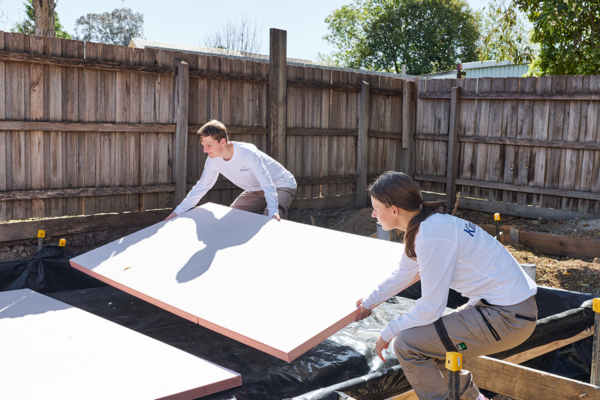
What Is the Best Underslab Insulation Board to Buy in Australia?
When planning a new build or a major renovation in Australia, one of the most [...]
Read More
24
Feb
Feb
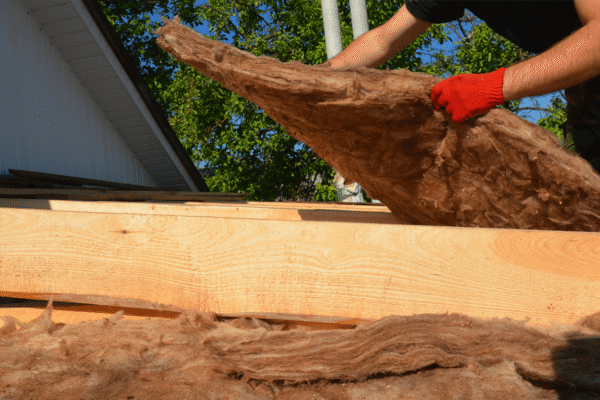
Anticon Blanket vs Sarking
When it comes to insulating Australian roofs, few topics spark as much debate as Anticon [...]
Read More
10
Feb
Feb
Is Recycled Denim Insulation Comparable to Traditional Insulation Materials?
As Australians become more conscious of sustainability, energy efficiency and indoor comfort, the materials we [...]
2 Comments
Read More
19
Dec
Dec
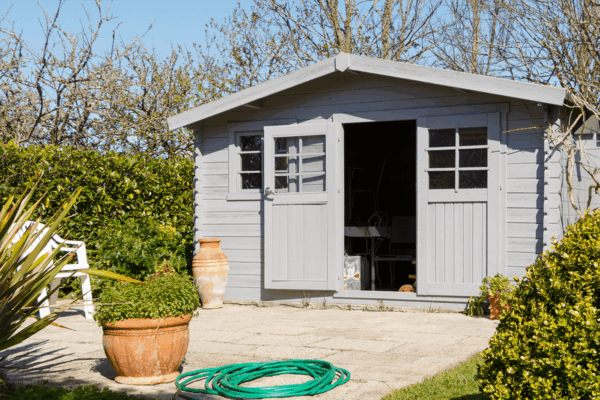
Insulation for Sheds – Common Questions Answered
Whether you’re converting your shed into a workshop, home office or hobby space, or simply [...]
Read More
19
Dec
Dec

How to Better Insulate Your Home for Summer
Keeping your home cool through an Australian summer can feel like a full-time job. Air [...]
Read More
05
Dec
Dec
Asbestos and Insulation
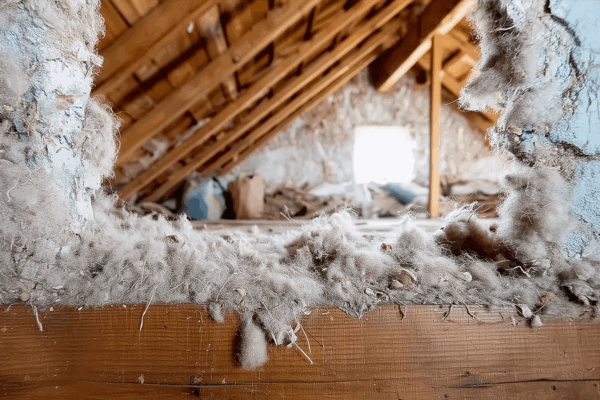
When it comes to older Australian homes, asbestos and insulation are two words that often [...]
Read More
29
Oct
Oct
How to Use Insulation for Sound Deadening
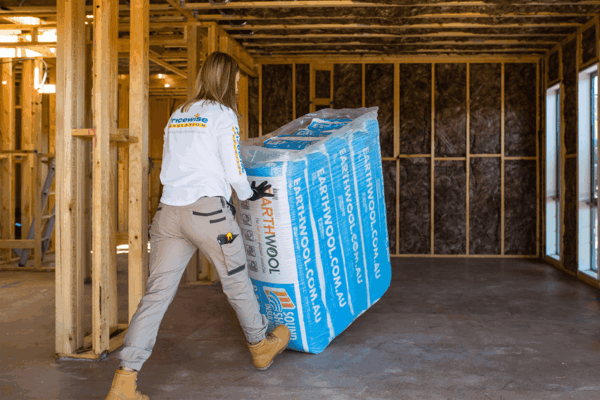
When most Australians think of insulation, they think of keeping a home cool in summer [...]
Read More
29
Oct
Oct

How to Keep a Poorly Insulated House Warm
For many Australians, winter can be a challenge – especially if you live in a [...]
Read More
02
Oct
Oct

What Government Insulation Rebates Are Available in 2025/2026?
Upgrading or installing insulation is one of the fastest ways for Australian households to cut [...]
Read More
02
Oct
Oct



 Call Us
 Email Us
 Opening Hours